The concept of Zcash transparent vs shielded addresses is central to understanding how privacy and transparency intersect in the world of cryptocurrency. For users of Bitcoin mixing services like CryptoMixer, choosing between these two address types can significantly impact their security and anonymity. This article explores the differences, use cases, and implications of transparent and shielded addresses within the Zcash ecosystem, particularly in the context of Bitcoin mixing. By examining their technical foundations and practical applications, readers will gain a clearer picture of how these addresses function and why they matter in the broader landscape of digital finance.
What Are Zcash Transparent and Shielded Addresses?
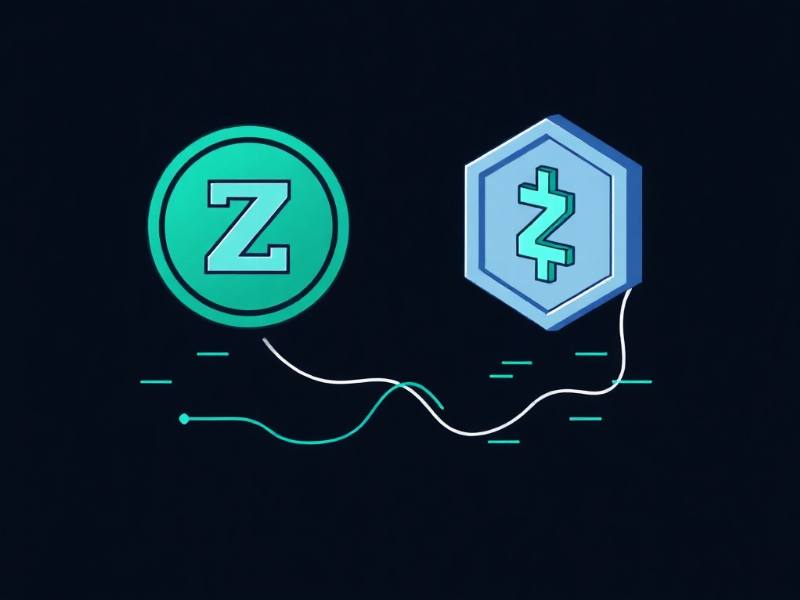
The Zcash transparent vs shielded addresses distinction is rooted in the cryptographic principles of the Zcash protocol. Zcash, a privacy-focused cryptocurrency, allows users to send transactions that are either fully visible on the blockchain or encrypted to protect sender and receiver details. This dual functionality is achieved through two types of addresses: transparent and shielded. Each serves a different purpose, depending on the user’s need for privacy or transparency.
Transparent Addresses: Public and Traceable
Transparent addresses in Zcash are designed to be fully visible on the blockchain. When a transaction is sent to a transparent address, all details—such as the sender’s and receiver’s public keys, the amount transferred, and the transaction hash—are publicly accessible. This makes transparent addresses ideal for users who prioritize transparency, such as merchants or individuals who want to verify transactions without compromising privacy.
- Use cases: Transparent addresses are often used for public transactions where accountability is important, such as donations or business payments.
- Pros: They are simple to use and do not require complex cryptographic setups.
- Cons: They offer no privacy, as all transaction details are exposed to anyone with access to the blockchain.
Shielded Addresses: Privacy Through Zero-Knowledge Proofs
Shielded addresses, on the other hand, leverage Zcash’s advanced cryptographic technology to hide transaction details. These addresses use zk-SNARKs (zero-knowledge succinct non-interactive arguments of knowledge) to ensure that only the sender and receiver know the specifics of a transaction. This makes shielded addresses a cornerstone of privacy in the Zcash network.
- How they work: Shielded transactions are encrypted using zk-SNARKs, which allow the network to verify the validity of a transaction without revealing its contents.
- Key feature: Users can send funds without disclosing their identities or the transaction amount.
- Cons: Shielded addresses require additional steps to generate and verify, which can be more complex for new users.
How Do Transparent and Shielded Addresses Work?
Understanding the mechanics of Zcash transparent vs shielded addresses requires a closer look at their underlying technologies. While both address types operate within the Zcash blockchain, their functionality differs significantly. This section breaks down how each type of address functions, from transaction initiation to verification.
The Mechanics of Transparent Addresses
Transparent addresses function similarly to standard Bitcoin addresses. When a user sends funds to a transparent address, the transaction is broadcast to the network, and all details are recorded on the blockchain. This process is straightforward and does not require any special cryptographic tools. However, the lack of privacy is a trade-off for simplicity.
Key steps in transparent address transactions:
- User generates a transparent address using their public key.
- Transaction details are recorded on the blockchain, including sender, receiver, and amount.
- Anyone can view the transaction by querying the blockchain explorer.
The Technology Behind Shielded Addresses
Shielded addresses rely on Zcash’s zk-SNARKs technology to ensure privacy. This cryptographic method allows users to prove the validity of a transaction without revealing any sensitive information. The process involves generating a “shielded transaction,” which is then converted into a “transparent transaction” for verification on the blockchain.
Why zk-SNARKs matter: This technology enables users to maintain anonymity while still participating in the Zcash network. However, it requires users to generate a “view key” and a “spending key,” which adds complexity to the process.
Steps in shielded address transactions:
- User creates a shielded transaction using their private key and zk-SNARKs.
- The transaction is encrypted and sent to the network.
- Validators verify the transaction without accessing its contents.
- The transaction is converted to a transparent form for final confirmation.
Use Cases for Transparent vs Shielded Addresses
The choice between Zcash transparent vs shielded addresses often depends on the user’s specific needs. While transparent addresses are suitable for scenarios requiring openness, shielded addresses are preferred when privacy is paramount. This section explores the practical applications of each address type, particularly in the context of Bitcoin mixing services like CryptoMixer.
When to Use Transparent Addresses
Transparent addresses are ideal for users who need to maintain a public record of their transactions. This could include businesses that want to track payments or individuals who wish to verify the legitimacy of a transaction. In the context of CryptoMixer, transparent addresses might be used for testing or for users who do not require anonymity.
- Examples: A merchant accepting Zcash payments for goods or services.
- Advantages: Easy to audit and verify.
- Limitations: No privacy, making them unsuitable for sensitive transactions.
When to Use Shielded Addresses
Shielded addresses are the go-to choice for users prioritizing anonymity. This is particularly relevant for individuals using Bitcoin mixing services like CryptoMixer, where the goal is to obscure the trail of funds. Shielded addresses ensure that even if a transaction is recorded on the blockchain, its details remain hidden from prying eyes.
- Use case: Users sending funds through CryptoMixer to avoid linking their identity to the transaction.
- Benefits: High level of privacy and security.
- Drawbacks: Requires technical knowledge to set up and manage.
Comparing Transparent and Shielded Addresses: Pros and Cons
When evaluating Zcash transparent vs shielded addresses, it’s essential to weigh the advantages and disadvantages of each. While transparent addresses offer simplicity and transparency, shielded addresses provide unmatched privacy. This section compares the two in terms of security, usability, and their role in Bitcoin mixing.
Privacy vs Transparency Trade-offs
The primary trade-off between transparent and shielded addresses is the balance between privacy and transparency. Transparent addresses sacrifice privacy for ease of use, while shielded addresses prioritize anonymity at the cost of complexity. For users of CryptoMixer, this decision can have significant implications for their overall security strategy.
Key considerations:
- Privacy needs: Shielded addresses are essential for users who want to avoid being tracked.
- Transparency needs: Transparent addresses are better for scenarios where public records are required.
Security Implications
Security is another critical factor when comparing Zcash transparent vs shielded addresses. While both address types are secure in their own right, shielded addresses offer an additional layer of protection through cryptographic encryption. However, the complexity of shielded addresses can introduce risks if not managed properly.
Potential risks: Mishandling of zk-SNARKs keys could lead to loss of funds or compromised privacy.
Security features of shielded addresses:
- Encryption of transaction details.
- Use of zk-SNARKs to prevent unauthorized access.
The Role of CryptoMixer in Transparent and Shielded Addresses
Bitcoin mixing services like CryptoMixer play a crucial role in how users interact with Zcash transparent vs shielded addresses. These platforms often encourage the use of shielded addresses to enhance user privacy. However, they may also support transparent addresses for specific use cases. This section examines how CryptoMixer integrates these address types into its services and what this means for users.
How CryptoMixer Utilizes Shielded Addresses
CryptoMixer is designed to help users anonymize their Bitcoin transactions. To achieve this, the platform typically recommends using shielded addresses. By mixing funds through shielded addresses, CryptoMixer ensures that the transaction history is obscured, making it difficult to trace the origin of the funds.
Why shielded addresses are preferred:
- They prevent the linking of a user’s identity to their transaction.
- They align with CryptoMixer’s goal of providing maximum privacy.
Transparent Addresses in CryptoMixer’s Services
While CryptoMixer primarily promotes shielded addresses, it may also support transparent addresses for users who do not require anonymity. This could include scenarios where users want to test the platform or verify transactions without privacy concerns. However, the use of transparent addresses in CryptoMixer is generally discouraged due to the lack of privacy they offer.
When might transparent addresses be used?
- For users who are new to Zcash and want to understand how transactions work.
- For testing purposes within the CryptoMixer platform.
Conclusion
The Zcash transparent vs shielded addresses debate highlights the ongoing tension between privacy and transparency in the cryptocurrency space. For users of Bitcoin mixing services like CryptoMixer, understanding these address types is crucial for making informed decisions about their security and anonymity. While transparent addresses offer simplicity and transparency, shielded addresses provide the privacy that many users seek. As the demand for privacy continues to grow, the role of shielded addresses in platforms like CryptoMixer is likely to expand. By leveraging the unique features of Zcash, users can tailor their approach to transactions based on their specific needs, ensuring both security and control in the digital economy.