Understanding Address-Swapping Malware and Its Threats
The term "watch for address-swapping malware" has become increasingly relevant in the cryptocurrency space, particularly for users of platforms like CryptoMixer. Address-swapping malware is a sophisticated form of cyber threat that manipulates transaction data by replacing legitimate cryptocurrency addresses with fraudulent ones. This can lead to the loss of funds, compromised privacy, and significant financial damage. For CryptoMixer users, who rely on the platform to anonymize transactions, the risk of such malware is especially acute. Understanding how this threat operates is the first step in learning how to watch for address-swapping malware effectively.
What Is Address-Swapping Malware?
Address-swapping malware is designed to intercept and alter cryptocurrency transaction details. Unlike traditional malware that steals data directly, this type of threat operates by modifying the destination address of a transaction. For example, if a user sends Bitcoin through CryptoMixer, the malware could replace the intended recipient’s address with one controlled by the attacker. This is often done without the user’s knowledge, making it a stealthy and dangerous threat. The term "watch for address-swapping malware" underscores the need for constant vigilance, as these attacks can occur in real-time and are difficult to detect without specialized tools.
The Role of CryptoMixer in Address-Swapping Risks
CryptoMixer is a popular cryptocurrency mixer that helps users obscure the traceability of their transactions. While this anonymity is beneficial for privacy, it also creates a unique vulnerability. Address-swapping malware can exploit the mixer’s functionality by intercepting transactions before they are processed. If a user is not watching for address-swapping malware, they may unknowingly send funds to an attacker’s wallet. This highlights the importance of understanding how CryptoMixer operates and the specific risks associated with its use. Users must remain cautious and proactive in their security practices to mitigate these threats.
How Address-Swapping Malware Operates: A Technical Breakdown
To truly watch for address-swapping malware, it is essential to understand its mechanisms. These attacks typically involve a combination of social engineering, malware distribution, and technical exploitation. The malware may be embedded in phishing emails, malicious websites, or even compromised software. Once installed on a user’s device, it can monitor cryptocurrency transactions and alter the address details in real-time. This process is often automated, making it nearly impossible for users to detect without advanced monitoring tools.
The Mechanics of Address-Swapping Attacks
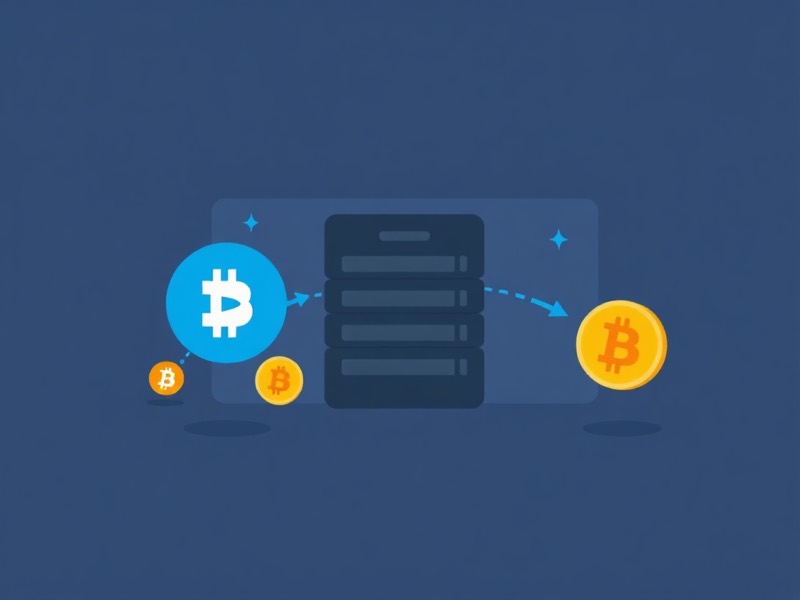
Address-swapping malware works by intercepting the transaction data between the user’s wallet and the CryptoMixer platform. For instance, when a user initiates a transaction, the malware could modify the destination address before the data is sent. This is often achieved through techniques like man-in-the-middle attacks or by exploiting vulnerabilities in the user’s software. The attacker’s goal is to redirect funds to their own wallet, which is why the phrase "watch for address-swapping malware" is critical. Users must be aware that even a single compromised transaction can result in significant losses.
Targeting CryptoMixer Transactions
CryptoMixer’s design, which prioritizes anonymity, makes it an attractive target for address-swapping malware. The platform’s mixing process involves multiple steps that obscure the origin and destination of funds. However, if the malware can intercept these steps, it can manipulate the transaction flow. For example, the malware might replace the mixer’s output address with a fraudulent one. This is why CryptoMixer users must watch for address-swapping malware by verifying transaction details and using secure practices. The anonymity that CryptoMixer provides is a double-edged sword, requiring users to be more cautious than ever.
Detecting Address-Swapping Malware: Signs and Tools
Detecting address-swapping malware requires a combination of awareness and technology. Since these attacks are often subtle, users must watch for address-swapping malware by monitoring their transactions and device activity. Common signs of compromise include unexpected transaction failures, sudden changes in wallet balances, or unusual network activity. Additionally, users should be vigilant about any unexpected software installations or phishing attempts that could introduce the malware.
Common Indicators of Compromise
One of the most telling signs of address-swapping malware is a transaction that appears to have failed or been redirected. For example, a user might send Bitcoin through CryptoMixer, only to find that the funds were sent to an unexpected address. This is a clear indication that the malware has altered the transaction details. Another sign is the presence of unfamiliar software or processes on the user’s device. If a user notices new applications or background processes they did not install, it could be a red flag. The key takeaway is that users must watch for address-swapping malware by staying informed about these indicators and acting quickly if they arise.
Tools for Monitoring and Prevention
To effectively watch for address-swapping malware, users should employ specialized tools and practices. Antivirus software with real-time scanning capabilities can help detect malicious activity. Additionally, transaction monitoring tools that track changes in wallet addresses can provide early warnings. For CryptoMixer users, it is advisable to use platforms that offer enhanced security features, such as two-factor authentication or transaction verification. Regularly updating software and avoiding suspicious links are also critical steps. By combining these tools with proactive monitoring, users can significantly reduce their risk of falling victim to address-swapping attacks.
Preventing Address-Swapping Malware Attacks: Best Practices
Prevention is the most effective strategy against address-swapping malware. Users must adopt a multi-layered approach to security, ensuring that they watch for address-swapping malware at every stage of their cryptocurrency transactions. This includes using secure wallets, verifying transaction details, and staying informed about the latest threats. For CryptoMixer users, additional precautions are necessary due to the platform’s unique risks. By implementing best practices, users can protect their funds and maintain their privacy.
Security Best Practices for CryptoMixer Users
CryptoMixer users should prioritize security by following specific best practices. First, always verify the address before initiating a transaction. Even a small typo or a malicious address can lead to fund loss. Second, use a trusted and updated wallet that supports CryptoMixer. Third, enable two-factor authentication (2FA) for all accounts related to CryptoMixer. Fourth, avoid sharing sensitive information or clicking on suspicious links. These steps are essential for anyone who wants to watch for address-swapping malware and prevent potential attacks. Additionally, users should consider using hardware wallets for large transactions, as they offer an extra layer of security.
Educating Yourself and Others
Education is a powerful tool in the fight against address-swapping malware. Users must understand the risks associated with CryptoMixer and the importance of watching for address-swapping malware. This includes staying updated on the latest cybersecurity trends and learning how to recognize phishing attempts. Forums, online communities, and official CryptoMixer resources can provide valuable information. Moreover, sharing this knowledge with others can help create a more secure ecosystem. By fostering a culture of awareness, users can collectively reduce the impact of address-swapping attacks and enhance the overall security of the CryptoMixer platform.
Case Studies: Real-World Implications of Address-Swapping Malware
Examining real-world examples of address-swapping malware can provide valuable insights into its impact. These cases highlight the importance of watching for address-swapping malware and the consequences of neglecting security measures. For instance, a CryptoMixer user might have lost a significant amount of Bitcoin due to a malware attack that replaced the destination address. Such incidents underscore the need for vigilance and proactive security practices. By analyzing these cases, users can better understand the risks and take appropriate actions to protect themselves.
Notable Incidents Involving CryptoMixer
While specific incidents involving CryptoMixer and address-swapping malware may not be widely publicized, similar attacks have occurred on other cryptocurrency platforms. For example, a user might have sent funds through a mixer, only to discover that the transaction was redirected to an attacker’s wallet. These cases often involve sophisticated malware that exploits the anonymity features of mixers. The key lesson from these incidents is that even the most secure platforms are not immune to address-swapping threats. This reinforces the need for users to watch for address-swapping malware and adopt robust security measures.
Lessons Learned from Past Attacks
Past attacks have taught us that address-swapping malware is not a one-time threat but an evolving one. Attackers continuously refine their techniques to bypass security measures. For CryptoMixer users, this means that the phrase "watch for address-swapping malware" should be a constant reminder. Lessons from past attacks include the importance of regular software updates, the use of secure transaction verification tools, and the need for user education. By applying these lessons, users can stay ahead of potential threats and minimize the risk of falling victim to address-swapping malware.
Conclusion: Staying Ahead of Address-Swapping Malware Threats
In conclusion, the threat of address-swapping malware is real and growing, particularly for users of platforms like CryptoMixer. The phrase "watch for address-swapping malware" is not just a suggestion but a necessity. By understanding how these attacks work, recognizing the signs of compromise, and implementing preventive measures, users can protect their cryptocurrency transactions. CryptoMixer offers valuable anonymity, but it also requires users to be more cautious. As the cybersecurity landscape continues to evolve, staying informed and proactive is the best defense against address-swapping malware. Remember, the key to safety lies in vigilance—always watch for address-swapping malware and take immediate action if you suspect any irregularities in your transactions.