Understanding the Concept of Untraceable XMR Transfers
The term untraceable XMR transfers refers to the process of moving Monero (XMR) between wallets in a way that obscures the transaction history, making it nearly impossible to trace the origin or destination of the funds. This concept is rooted in the inherent privacy features of Monero, a cryptocurrency designed to prioritize anonymity. Unlike Bitcoin or other transparent blockchains, Monero uses advanced cryptographic techniques such as ring signatures, stealth addresses, and ring confidential transactions (RingCT) to ensure that transactions cannot be linked to specific users.
How Untraceable XMR Transfers Work
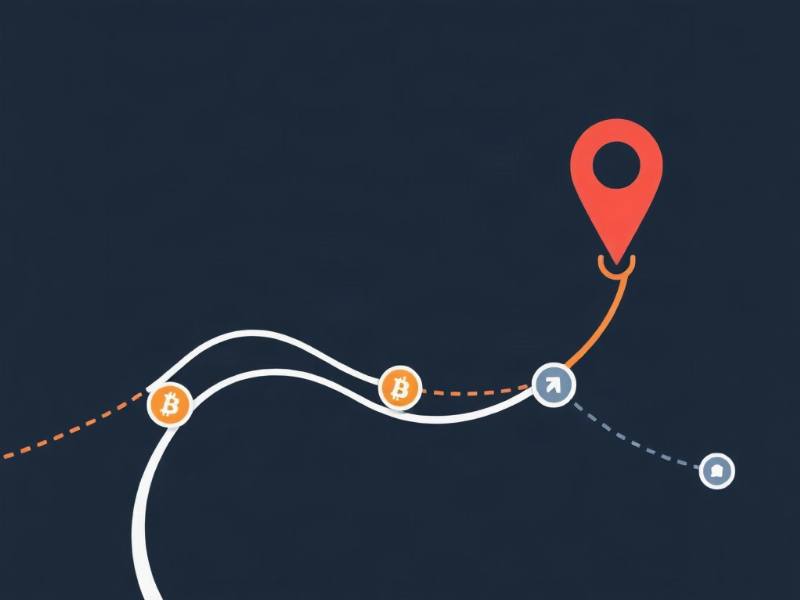
To achieve untraceability, Monero employs a multi-layered approach. Each transaction is encrypted, and the sender’s and receiver’s addresses are randomized. This means that even if a transaction is recorded on the blockchain, it does not reveal the identities of the parties involved. The untraceable XMR transfers are further enhanced when combined with mixing services, which shuffle funds through multiple wallets to break the chain of custody. This process makes it extremely difficult for anyone, including law enforcement or malicious actors, to trace the flow of funds.
The Role of CryptoMixer in Untraceable XMR Transfers
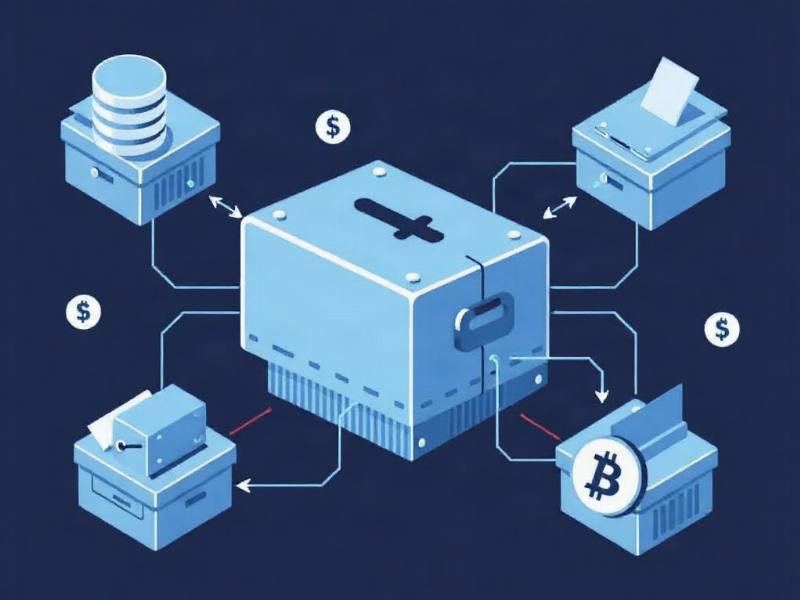
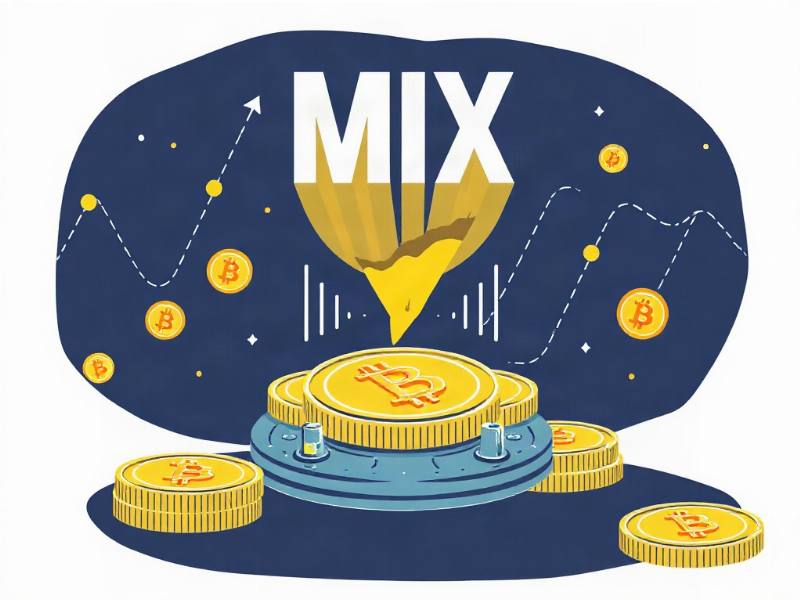
CryptoMixer is a popular service that facilitates untraceable XMR transfers by acting as an intermediary between the sender and receiver. When users send XMR through CryptoMixer, the service breaks the transaction into smaller, randomized amounts and redistributes them to multiple recipients. This process, known as coin mixing, effectively erases the link between the original sender and the final recipient. CryptoMixer’s reputation in the CryptoMixer niche is built on its ability to provide a high level of privacy, making it a go-to solution for users seeking untraceable transactions.
Why Privacy Matters in Cryptocurrency Transactions
In an era where digital footprints are increasingly scrutinized, the demand for privacy in financial transactions has never been higher. Untraceable XMR transfers offer a solution for individuals and organizations that wish to protect their financial activities from prying eyes. This is particularly relevant for users in regions with strict financial regulations or those who value personal autonomy over their financial data.
The Risks of Traceable Transactions
Traceable transactions, such as those on Bitcoin or Ethereum, can expose users to various risks. For instance, a single transaction can be linked to a user’s identity through blockchain analysis tools. This exposure can lead to financial loss, legal consequences, or reputational damage. In contrast, untraceable XMR transfers mitigate these risks by ensuring that no direct link between the sender and receiver exists. This makes Monero a preferred choice for users who prioritize anonymity over transparency.
Benefits of Untraceable XMR Transfers
- Enhanced Privacy: Users can conduct transactions without revealing their identities or financial history.
- Protection from Surveillance: Governments and corporations cannot track or monitor transactions made via untraceable methods.
- Reduced Risk of Theft: By obscuring the flow of funds, untraceable transfers make it harder for hackers to target specific wallets.
Risks and Challenges of Untraceable XMR Transfers
While untraceable XMR transfers offer significant privacy benefits, they are not without risks. The same features that make these transfers secure can also be exploited for illicit activities. This has led to increased scrutiny from regulatory bodies and law enforcement agencies, who argue that anonymity in cryptocurrency can facilitate criminal behavior.
Potential for Misuse
One of the primary concerns surrounding untraceable XMR transfers is their potential misuse. Criminals can use these transfers to launder money, fund illegal activities, or evade taxes. The lack of traceability makes it difficult for authorities to track and recover stolen funds. This has led to debates about the ethical implications of privacy-focused cryptocurrencies and the need for balanced regulations.
Regulatory Concerns
Regulatory bodies around the world are grappling with how to address the challenges posed by untraceable XMR transfers. Some countries have imposed strict regulations on cryptocurrency transactions, requiring users to disclose their identities or report large transfers. These measures can undermine the privacy benefits of Monero, forcing users to choose between compliance and anonymity. The CryptoMixer niche often discusses these regulatory challenges, as users seek ways to navigate them while maintaining their privacy.
Best Practices for Ensuring Untraceable XMR Transfers
To maximize the effectiveness of untraceable XMR transfers, users must adopt best practices that enhance their privacy and security. These practices go beyond simply using a mixing service and involve a combination of technical knowledge and cautious behavior.
Using Trusted Mixing Services
Not all mixing services are created equal. To ensure the success of untraceable XMR transfers, users should rely on reputable platforms like CryptoMixer. These services have a proven track record of maintaining user privacy and avoiding detection by authorities. It is also advisable to avoid free or unverified mixers, as they may compromise the security of the transaction or log user data.
Additional Security Measures
Beyond using a mixing service, users can take further steps to protect their privacy. This includes:
- Using Multiple Wallets: Avoid reusing the same wallet address for multiple transactions, as this can create a trail that can be traced back to the original sender.
- Regularly Updating Software: Ensure that all wallets and mixing services are updated to the latest versions to benefit from the latest security patches.
- Verifying Transaction Details: Double-check the recipient address and transaction amount before confirming a transfer to avoid errors that could compromise privacy.
The Future of Untraceable XMR Transfers
The landscape of cryptocurrency is constantly evolving, and the future of untraceable XMR transfers will likely be shaped by technological advancements and regulatory developments. As privacy becomes an increasingly important concern for users, the demand for secure and anonymous transaction methods is expected to grow.
Technological Advancements
Ongoing research into privacy-enhancing technologies could further improve the effectiveness of untraceable XMR transfers. For example, advancements in zero-knowledge proofs or decentralized identity systems may offer new ways to maintain anonymity without relying solely on mixing services. These innovations could make untraceable transfers even more secure and accessible to a broader audience.
Evolving Privacy Needs
As users become more aware of the risks associated with traceable transactions, the need for robust privacy solutions will continue to rise. This could lead to increased adoption of Monero and other privacy-focused cryptocurrencies. However, it may also result in stricter regulations, requiring users to balance their desire for privacy with legal obligations. The CryptoMixer niche will likely play a key role in helping users navigate these changes, providing tools and guidance for safe and effective untraceable XMR transfers.
In conclusion, untraceable XMR transfers represent a critical advancement in the quest for financial privacy. While they offer significant benefits, they also come with challenges that require careful consideration. By understanding the mechanics of these transfers, adopting best practices, and staying informed about regulatory developments, users can harness the power of Monero to protect their financial activities in an increasingly transparent world.