In the rapidly evolving landscape of blockchain technology, wrapped token privacy has emerged as a critical concern for users and developers alike. Wrapped tokens, which are digital assets that represent another cryptocurrency on a different blockchain, often rely on platforms like CryptoMixer to facilitate secure and private transactions. However, the intersection of wrapped tokens and privacy raises complex questions about data security, anonymity, and regulatory compliance. This article explores the nuances of wrapped token privacy within the CryptoMixer ecosystem, examining its importance, mechanisms, risks, and best practices.
What Are Wrapped Tokens and Why Privacy Matters?
The Role of Wrapped Tokens in CryptoMixer
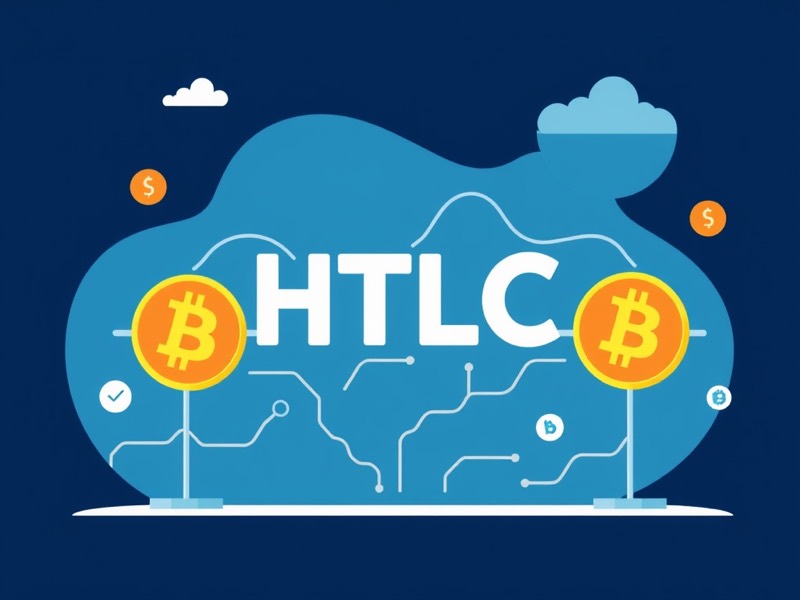
Wrapped tokens are essentially digital representations of assets from one blockchain, such as Ethereum, that are "wrapped" to function on another blockchain, like Bitcoin. In the context of CryptoMixer, these tokens enable users to leverage the liquidity and flexibility of Bitcoin while interacting with assets from other networks. This cross-chain functionality is a cornerstone of CryptoMixer’s appeal, but it also introduces unique privacy challenges. For instance, the movement of wrapped tokens across blockchains can expose transaction data, potentially compromising user anonymity if not properly secured.
Privacy Concerns in Token Transactions
The primary reason wrapped token privacy is a focal point in CryptoMixer is the inherent transparency of blockchain technology. While blockchain offers immutability and traceability, it can also reveal sensitive information about users. For wrapped tokens, this means that even if the underlying asset is private, the act of wrapping and unwrapping it on CryptoMixer could leave a digital footprint. This raises questions about how users can maintain confidentiality while benefiting from cross-chain transactions. Addressing these concerns requires a combination of technical safeguards and user awareness.
How Wrapped Token Privacy Works in CryptoMixer
Encryption Protocols and Data Protection
CryptoMixer employs advanced encryption protocols to protect the privacy of wrapped token transactions. These protocols ensure that sensitive data, such as wallet addresses or transaction amounts, are scrambled and unreadable to unauthorized parties. For example, when a user initiates a wrapped token transfer, CryptoMixer may use end-to-end encryption to secure the data before it is broadcast to the blockchain. This layer of encryption is vital for maintaining wrapped token privacy, as it prevents third parties from intercepting or analyzing transaction details.
Anonymization Techniques and User Control
Another key aspect of wrapped token privacy in CryptoMixer is the use of anonymization techniques. These methods obscure the identity of users during transactions. For instance, CryptoMixer might allow users to generate temporary or pseudonymous addresses for wrapped token transfers, reducing the risk of linking transactions to real-world identities. Additionally, users are often given control over their privacy settings, enabling them to decide how much information is shared during a transaction. This balance between functionality and privacy is essential for fostering trust in the CryptoMixer platform.
Risks to Wrapped Token Privacy in CryptoMixer
Common Vulnerabilities and Exploits
Despite the security measures in place, wrapped token privacy in CryptoMixer is not without risks. One common vulnerability is the potential for smart contract exploits. If a wrapped token’s smart contract on CryptoMixer contains flaws, malicious actors could exploit these weaknesses to access user data or funds. Additionally, phishing attacks targeting users who interact with wrapped tokens can compromise privacy. For example, a user might unknowingly share their private key while using a third-party service linked to CryptoMixer, thereby exposing their wrapped token transactions.
Third-Party Risks and Regulatory Challenges
The privacy of wrapped tokens on CryptoMixer can also be affected by third-party services. If a user relies on external wallets or exchanges to manage wrapped tokens, the security of those platforms directly impacts wrapped token privacy. Furthermore, regulatory scrutiny poses a challenge. Governments may require CryptoMixer or similar platforms to disclose transaction data, which could undermine the anonymity users expect. This tension between privacy and compliance highlights the need for robust legal frameworks that protect user data without stifling innovation.
Best Practices for Ensuring Wrapped Token Privacy
User Responsibilities and Security Measures
To maximize wrapped token privacy on CryptoMixer, users must take proactive steps. First, they should always use secure wallets that support encrypted storage and two-factor authentication. Second, users should avoid sharing sensitive information, such as private keys, during wrapped token transactions. Third, regular audits of CryptoMixer’s security protocols can help users stay informed about potential risks. By adopting these practices, users can significantly reduce the likelihood of privacy breaches.
Platform Security Measures and Transparency
CryptoMixer plays a crucial role in safeguarding wrapped token privacy through continuous security enhancements. The platform should implement regular security audits, bug bounty programs, and real-time monitoring of transactions. Transparency is equally important; CryptoMixer should clearly communicate its privacy policies to users, detailing how data is collected, stored, and protected. Additionally, offering users the option to opt out of data collection or use privacy-focused features can further enhance trust. These measures ensure that wrapped token privacy remains a priority for both users and the platform.
Conclusion: Balancing Innovation and Privacy in CryptoMixer
As the demand for cross-chain transactions grows, the importance of wrapped token privacy in CryptoMixer cannot be overstated. While the platform offers innovative solutions for secure and private transactions, it also faces significant challenges in protecting user data. By understanding the mechanisms behind wrapped token privacy, recognizing potential risks, and adopting best practices, users and developers can work together to create a safer ecosystem. Ultimately, the success of CryptoMixer in this space will depend on its ability to balance technological advancement with unwavering commitment to privacy. Ensuring wrapped token privacy is not just a technical challenge—it is a fundamental right in the digital age.