In the rapidly evolving world of cryptocurrency, the concept of a no intermediary exchange has gained significant traction. This term refers to a system where transactions occur directly between parties without the need for a central authority or third-party platform. For users of BTC mixers, this model offers a unique blend of privacy, efficiency, and control. As the demand for decentralized financial solutions grows, understanding how no intermediary exchange operates becomes essential for both newcomers and seasoned crypto enthusiasts.
What is a No Intermediary Exchange?
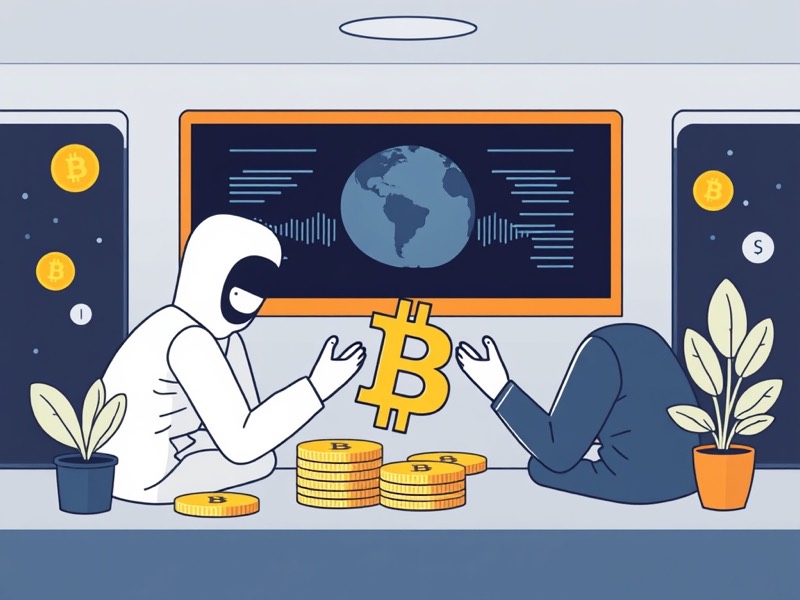
A no intermediary exchange is a decentralized platform that facilitates direct peer-to-peer (P2P) transactions. Unlike traditional exchanges, which rely on centralized entities to manage trades, this model eliminates the need for intermediaries such as banks, brokers, or even centralized cryptocurrency exchanges. Instead, users interact directly with one another, leveraging blockchain technology to ensure transparency and security.
The Core Principles of No Intermediary Exchange
At its core, a no intermediary exchange operates on the principles of trustlessness and decentralization. Trustlessness means that users do not need to rely on a third party to validate or execute transactions. Instead, the system uses cryptographic protocols and smart contracts to ensure that all parties adhere to the agreed-upon terms. Decentralization, on the other hand, removes the central point of failure, making the system more resilient to hacks, censorship, and regulatory interference.
One of the key features of a no intermediary exchange is its reliance on BTC mixers, which are tools designed to enhance privacy by obscuring the origin of cryptocurrency transactions. By using a BTC mixer, users can break the link between their wallet address and the transaction, making it significantly harder for third parties to trace the flow of funds. This is particularly important in an era where privacy is increasingly under threat from surveillance and data collection practices.
How Does a No Intermediary Exchange Work?
The functionality of a no intermediary exchange is rooted in blockchain technology and smart contracts. These elements work together to create a trustless environment where users can transact without relying on a central authority. Let’s break down the process step by step.
The Transaction Process
When a user initiates a transaction on a no intermediary exchange, they typically follow these steps:
- Initiate the Trade: The user selects the cryptocurrency they wish to exchange and specifies the amount. They then connect their wallet to the platform, which may require signing a message to verify ownership.
- Match with a Counterparty: The platform uses algorithms or decentralized networks to find a counterparty willing to complete the trade. This could involve matching buyers and sellers based on price, volume, or other criteria.
- Execute the Trade: Once a match is found, the transaction is executed using a smart contract. This ensures that both parties fulfill their obligations without the need for manual intervention.
- Confirm the Transaction: After the trade is completed, the blockchain records the transaction, providing an immutable and transparent record of the exchange.
Throughout this process, the no intermediary exchange ensures that no single entity has control over the funds or the transaction. This not only reduces the risk of fraud but also empowers users to maintain full control over their assets.
Technology Behind the Scenes
The success of a no intermediary exchange hinges on advanced technologies such as blockchain, smart contracts, and decentralized networks. Blockchain provides a secure and transparent ledger for recording transactions, while smart contracts automate the execution of agreements. Decentralized networks, such as peer-to-peer (P2P) protocols, enable direct communication between users without the need for a central server.
For example, a BTC mixer might use a decentralized network to route transactions through multiple nodes, making it difficult to trace the origin of the funds. This technology not only enhances privacy but also ensures that the no intermediary exchange remains resilient to attacks and censorship.
Benefits of No Intermediary Exchanges
The rise of no intermediary exchange platforms has been driven by their numerous advantages over traditional financial systems. These benefits include enhanced privacy, reduced costs, and greater user autonomy.
Enhanced Privacy and Security
One of the most significant benefits of a no intermediary exchange is its ability to protect user privacy. By eliminating the need for a central authority, these platforms reduce the risk of data breaches and surveillance. For instance, when using a BTC mixer, users can obscure their transaction history, making it nearly impossible for third parties to track their financial activity.
Additionally, the decentralized nature of no intermediary exchange platforms minimizes the risk of hacking. Since there is no single point of failure, attackers would need to compromise multiple nodes simultaneously, which is far more challenging than targeting a centralized exchange.
Cost Efficiency and Transparency
Traditional exchanges often charge high fees for transactions, withdrawals, and deposits. In contrast, a no intermediary exchange typically offers lower fees because it eliminates the need for intermediaries. This cost efficiency is particularly appealing to users who frequently trade or move large volumes of cryptocurrency.
Moreover, the transparency of blockchain technology ensures that all transactions are publicly verifiable. This level of transparency builds trust among users and reduces the likelihood of fraud or manipulation. For example, a no intermediary exchange might use a public ledger to record every trade, allowing users to audit the platform’s operations in real time.
Risks and Challenges of No Intermediary Exchanges
While no intermediary exchange platforms offer numerous benefits, they are not without risks. Users must be aware of potential challenges, including security vulnerabilities, regulatory uncertainty, and the complexity of using decentralized systems.
Security Concerns
Despite their decentralized design, no intermediary exchange platforms are not immune to security threats. Smart contracts, for instance, can contain bugs or vulnerabilities that malicious actors might exploit. Additionally, users must take extra precautions to secure their wallets and private keys, as losing access to these can result in the permanent loss of funds.
Another concern is the potential for phishing attacks or scams. Since no intermediary exchange platforms often operate outside traditional regulatory frameworks, users may encounter fraudulent websites or fake platforms that mimic legitimate services. It is crucial for users to verify the authenticity of any platform before engaging in transactions.
Regulatory and Legal Risks
The regulatory landscape for no intermediary exchange platforms is still evolving. Many governments are grappling with how to classify and regulate decentralized financial systems. In some jurisdictions, the use of BTC mixers or other privacy-focused tools may be restricted or outright banned.
Users should stay informed about the legal status of no intermediary exchange platforms in their region. Failure to comply with local regulations could result in penalties or the seizure of assets. Additionally, the lack of clear guidelines may lead to uncertainty for both users and developers, hindering the widespread adoption of these systems.
Comparing No Intermediary Exchanges with Traditional Platforms
To fully appreciate the value of a no intermediary exchange, it is helpful to compare it with traditional financial systems. While both aim to facilitate transactions, their approaches and outcomes differ significantly.
Key Differences in Functionality
Traditional exchanges rely on centralized authorities to manage trades, verify identities, and enforce rules. In contrast, a no intermediary exchange operates on a peer-to-peer basis, with transactions governed by code rather than human oversight. This eliminates the need for intermediaries, reducing costs and increasing efficiency.
For example, a BTC mixer might be used in conjunction with a no intermediary exchange to further enhance privacy. While traditional exchanges may require users to provide personal information, decentralized platforms often allow transactions to be completed without revealing sensitive data.
Use Cases and Practical Applications
The applications of no intermediary exchange platforms extend beyond simple cryptocurrency trading. These systems are increasingly being used for cross-border payments, remittances, and even decentralized finance (DeFi) applications. By removing the need for intermediaries, users can enjoy faster, cheaper, and more secure transactions.
For instance, a user in a country with strict capital controls might use a no intermediary exchange to bypass restrictions and access global markets. Similarly, individuals seeking to protect their financial privacy might rely on BTC mixers to obscure their transaction history.
Conclusion: The Future of Decentralized Finance
The concept of a no intermediary exchange represents a significant shift in how financial transactions are conducted. By leveraging blockchain technology and tools like BTC mixers, these platforms offer a more transparent, secure, and user-centric alternative to traditional systems. However, as with any emerging technology, users must remain vigilant about the risks and challenges associated with decentralized platforms.
As the adoption of no intermediary exchange continues to grow, it is likely that we will see further innovations in privacy, security, and accessibility. For now, understanding the principles and mechanics of these systems is essential for anyone looking to navigate the complex world of cryptocurrency with confidence and autonomy.