Understanding Transaction Obfuscation Service
A transaction obfuscation service is a specialized solution designed to enhance the privacy and security of cryptocurrency transactions. By masking the details of a transaction, this service ensures that the flow of funds cannot be easily traced back to the original sender or receiver. This is particularly important in the context of blockchain technology, where transparency is a core feature but can also pose risks to user anonymity. The concept of transaction obfuscation is not new, but its application in modern cryptocurrency ecosystems has become increasingly vital as regulatory scrutiny and cyber threats grow.
What Is Transaction Obfuscation?
Transaction obfuscation involves altering the structure of a cryptocurrency transaction to make it difficult for third parties to trace the movement of funds. This process typically includes techniques such as splitting transactions into smaller amounts, routing them through multiple wallets, and using mixing services to blend the transaction with others. The goal is to create a complex web of activity that obscures the original intent and origin of the funds. While this may seem counterintuitive to the principles of blockchain transparency, it serves a legitimate purpose for users who prioritize privacy.
Why It Matters in Cryptocurrency
The need for a transaction obfuscation service has grown alongside the rise of cryptocurrencies like Bitcoin and Ethereum. As more individuals and businesses adopt digital currencies, the risk of financial surveillance, hacking, and regulatory penalties increases. For example, a user might want to protect their financial activities from government agencies, corporations, or malicious actors. By employing transaction obfuscation, users can maintain a level of anonymity that is otherwise unattainable in traditional financial systems. This service is not just about hiding transactions; it’s about empowering users to control their financial data.
How Transaction Obfuscation Service Works
The functionality of a transaction obfuscation service relies on a combination of technical processes and strategic planning. Understanding how these services operate is essential for users who want to leverage them effectively. The core mechanism involves breaking down a transaction into multiple steps that obscure its original path. This is achieved through a series of actions that are both automated and manual, depending on the service provider.
The Process of Obfuscation
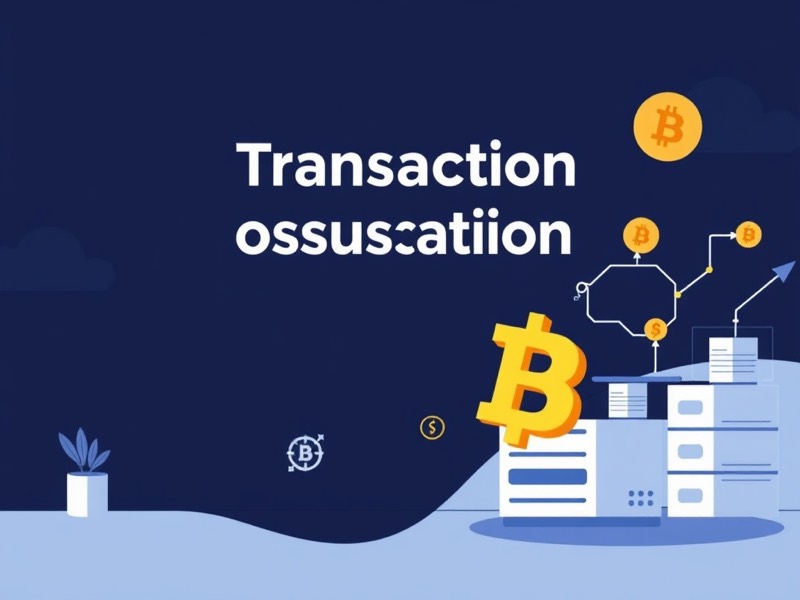
At its core, the process of transaction obfuscation begins with the user initiating a transaction. Instead of sending funds directly to a recipient, the service splits the transaction into smaller, seemingly unrelated transfers. These smaller amounts are then sent through a network of wallets or nodes, each of which adds a layer of complexity. For instance, a user might send 0.1 BTC to one wallet, which then forwards 0.05 BTC to another, and so on. This creates a trail that is difficult to follow without extensive analysis. The final step often involves merging these fragmented transactions into a single, cohesive transfer to the intended recipient.
Tools and Technologies Behind the Service
A transaction obfuscation service utilizes advanced tools and technologies to execute its functions. These include blockchain explorers, which allow the service to monitor and manipulate transaction data in real time. Additionally, mixing services—often referred to as tumblers—play a crucial role by combining multiple transactions into a single, obfuscated one. Some services also employ encryption techniques to further secure the data. The effectiveness of these tools depends on their ability to mimic legitimate transaction patterns, making it harder for analysts to detect anomalies. It’s important to note that the success of a transaction obfuscation service is heavily influenced by the sophistication of its underlying technology.
Benefits of Using a Transaction Obfuscation Service
Adopting a transaction obfuscation service offers numerous advantages, particularly for users who value privacy and security. While the primary goal is to obscure transaction details, the benefits extend beyond anonymity. These services can also help users avoid regulatory scrutiny, reduce the risk of fraud, and enhance overall transaction efficiency. However, it’s crucial to understand that these benefits come with certain trade-offs, such as potential delays in transaction processing or increased costs.
Enhanced Privacy and Anonymity
One of the most significant benefits of a transaction obfuscation service is the enhanced privacy it provides. In a world where financial data is increasingly vulnerable to breaches, users can protect their identities by ensuring that their transactions cannot be easily traced. This is especially important for individuals in regions with strict financial regulations or those who wish to avoid corporate or governmental oversight. By using a transaction obfuscation service, users can maintain control over their financial information, reducing the likelihood of their activities being monitored or exploited.
Reduced Risk of Transaction Tracking
Another key advantage is the reduced risk of transaction tracking. Traditional cryptocurrency transactions are recorded on a public ledger, making them susceptible to analysis by third parties. A transaction obfuscation service mitigates this risk by altering the transaction’s structure, making it difficult for anyone to follow the flow of funds. This is particularly beneficial for businesses that handle large volumes of transactions, as it reduces the chances of their activities being flagged for suspicious behavior. Additionally, for individuals, this service can prevent malicious actors from tracing their financial history, which could lead to targeted attacks or fraud.
Compliance with Regulatory Requirements
While transaction obfuscation is often associated with privacy, it can also play a role in compliance. Some jurisdictions require businesses to report large or suspicious transactions. A transaction obfuscation service can help users meet these requirements by ensuring that their transactions appear legitimate and non-suspicious. For example, by breaking down large transfers into smaller, more frequent ones, users can avoid triggering regulatory alerts. However, it’s important to note that the use of such services must align with local laws, as some regions may restrict or prohibit obfuscation techniques.
Use Cases for Transaction Obfuscation Service
The applications of a transaction obfuscation service are diverse, catering to both individual users and large-scale enterprises. Understanding these use cases can help users determine whether this service is suitable for their specific needs. From personal privacy to corporate security, the versatility of transaction obfuscation makes it a valuable tool in the cryptocurrency ecosystem.
Individual Users and Privacy Enthusiasts
For individual users, a transaction obfuscation service is often used to protect personal financial data. This is particularly relevant for those who engage in high-value transactions or wish to avoid being tracked by third parties. For instance, a user might use this service to purchase goods or services without revealing their financial history. Additionally, privacy enthusiasts may employ transaction obfuscation to maintain anonymity in their online activities, ensuring that their cryptocurrency transactions do not leave a digital footprint that could be exploited.
Businesses and Financial Institutions
Businesses and financial institutions also benefit from using a transaction obfuscation service. For example, a company might use this service to process payments without exposing sensitive financial information to competitors or hackers. In the context of cross-border transactions, obfuscation can help businesses comply with anti-money laundering (AML) regulations by ensuring that their transactions do not appear suspicious. Furthermore, financial institutions may use transaction obfuscation to protect their clients’ data while still facilitating secure and efficient transactions. This dual benefit of privacy and compliance makes the service attractive to organizations operating in regulated environments.
Regulatory Compliance and Risk Mitigation
Another critical use case is regulatory compliance. As governments around the world impose stricter financial regulations, businesses and individuals must find ways to adhere to these rules without compromising their privacy. A transaction obfuscation service can help users navigate this complex landscape by ensuring that their transactions meet regulatory standards while remaining private. For instance, by using obfuscation techniques, users can avoid triggering transaction monitoring systems that might flag their activities as high-risk. This not only reduces the risk of penalties but also enhances the overall security of their financial operations.
Choosing the Right Transaction Obfuscation Service
Selecting an appropriate transaction obfuscation service requires careful consideration of several factors. The effectiveness of the service depends on its ability to balance privacy, security, and usability. Users must evaluate the features, reputation, and technical capabilities of different providers to make an informed decision. This section outlines the key considerations when choosing a transaction obfuscation service.
Key Factors to Consider
When evaluating a transaction obfuscation service, users should prioritize factors such as security, transparency, and ease of use. Security is paramount, as a compromised service could expose users to significant risks. Look for services that employ robust encryption and have a proven track record of protecting user data. Transparency is also important; users should be able to understand how the service operates and what level of obfuscation it provides. Additionally, ease of use is a critical factor, especially for individuals who may not have technical expertise. A user-friendly interface and clear instructions can make the process of obfuscating transactions more accessible.
Comparing Different Services
Not all transaction obfuscation services are created equal. Some providers offer basic obfuscation techniques, while others use advanced methods that are more difficult to trace. It’s essential to compare the features of different services, including their success rates, customer reviews, and pricing models. For example, a service that offers real-time obfuscation might be more effective than one that relies on manual processes. Additionally, consider the level of customer support provided by the service. A reliable provider should be able to assist users in case of technical issues or questions about the obfuscation process. By thoroughly researching and comparing options, users can find a service that meets their specific needs and budget.
Evaluating the Reputation of the Provider
The reputation of the provider is another crucial factor when choosing a transaction obfuscation service. A service with a strong reputation is more likely to deliver reliable and secure results. Look for reviews from