Terrorist financing tracing has become a critical focus for global security agencies and financial institutions. As illicit funds increasingly move through digital platforms, the challenge of tracking and disrupting these flows has intensified. In the context of the CryptoMixer niche, where cryptocurrency mixers like CryptoMixer operate, the task of terrorist financing tracing takes on unique complexities. This article explores the mechanisms, challenges, and innovations in tracing terrorist financing within this specific ecosystem.
Understanding Terrorist Financing Tracing
The Definition and Scope of Terrorist Financing
Terrorist financing tracing refers to the process of identifying, monitoring, and disrupting the flow of funds used to support terrorist activities. This includes tracking money laundering, donations, and other financial mechanisms that enable terrorist groups to sustain their operations. The scope of this work is vast, encompassing both traditional financial systems and emerging digital platforms. In the CryptoMixer niche, the focus often shifts to cryptocurrency-based transactions, which offer a degree of anonymity that complicates traditional tracing methods.
The Role of Cryptocurrency in Illicit Activities
Cryptocurrencies, particularly Bitcoin, have become a preferred medium for illicit financial activities due to their decentralized nature and perceived anonymity. Platforms like CryptoMixer, which are designed to obscure transaction trails, are frequently exploited for such purposes. Terrorist financing tracing in this context requires specialized tools and strategies to counteract the obfuscation techniques employed by bad actors. The CryptoMixer niche highlights how these mixers can be leveraged to launder funds, making the tracing process even more challenging.
The CryptoMixer Enigma: A Hub for Illicit Funds
How CryptoMixer Operates
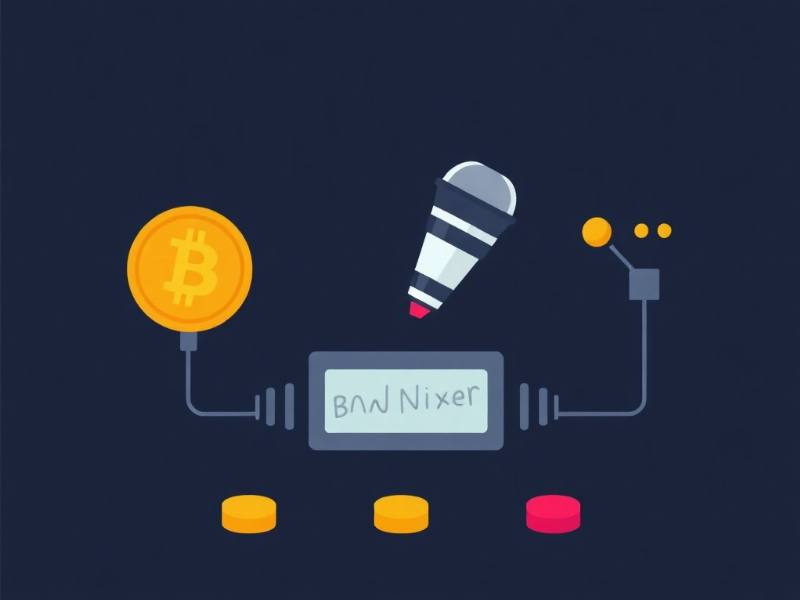
CryptoMixer is a cryptocurrency mixer that allows users to anonymize their Bitcoin transactions by breaking them into smaller, randomized amounts. This process makes it difficult to trace the origin or destination of funds. While CryptoMixer is marketed as a privacy tool, its functionality has been exploited by individuals and groups engaged in illegal activities, including terrorist financing. The CryptoMixer niche underscores the dual-use nature of such platforms, where legitimate users seek privacy, but malicious actors exploit the same features for illicit purposes.
Anonymity and Its Implications for Tracing
The core feature of CryptoMixer—its ability to anonymize transactions—poses a significant challenge for terrorist financing tracing. Traditional financial tracking methods rely on identifiable transaction records, but CryptoMixer disrupts this by creating a labyrinth of pseudonymous transfers. This anonymity not only complicates the work of law enforcement but also raises questions about the regulatory oversight of such platforms. In the CryptoMixer niche, the balance between user privacy and security becomes a contentious issue, as efforts to trace terrorist financing must navigate these technical and ethical boundaries.
Challenges in Terrorist Financing Tracing
The Complexity of Cryptocurrency Transactions
One of the primary challenges in terrorist financing tracing within the CryptoMixer niche is the inherent complexity of cryptocurrency transactions. Unlike traditional banking systems, which maintain centralized records, cryptocurrency operates on a decentralized blockchain. This means that transactions are recorded across a network of nodes, making it difficult to pinpoint the exact source or destination of funds. When combined with the anonymizing capabilities of CryptoMixer, the task of tracing becomes even more arduous. Financial institutions and security agencies must develop advanced analytical tools to sift through vast amounts of data and identify patterns indicative of illicit activity.
Regulatory Gaps and Enforcement Issues
Another significant challenge is the lack of comprehensive regulatory frameworks governing cryptocurrency mixers like CryptoMixer. While some jurisdictions have implemented strict anti-money laundering (AML) and counter-terrorist financing (CTF) regulations, others lag behind. This regulatory gap allows bad actors to exploit platforms in the CryptoMixer niche without facing immediate consequences. Additionally, enforcement efforts are often hindered by the global nature of cryptocurrency transactions, which can span multiple countries with varying legal standards. Effective terrorist financing tracing requires international cooperation, but the absence of unified regulations complicates this process.
Technological Solutions for Effective Tracing
Blockchain Analytics Tools
To address the challenges of terrorist financing tracing in the CryptoMixer niche, blockchain analytics tools have emerged as a critical solution. These tools analyze blockchain data to detect suspicious patterns, such as rapid fund transfers or transactions involving known illicit addresses. By leveraging machine learning algorithms, these tools can identify connections between seemingly unrelated transactions, helping to trace the flow of funds through platforms like CryptoMixer. The integration of such technologies into the CryptoMixer ecosystem is essential for improving the efficiency and accuracy of tracing efforts.
AI and Machine Learning in Detection
Artificial intelligence (AI) and machine learning (ML) are revolutionizing the field of terrorist financing tracing. These technologies enable the analysis of large datasets to identify anomalies that may indicate illicit activity. For instance, AI algorithms can detect unusual transaction volumes or patterns that deviate from normal user behavior. In the context of the CryptoMixer niche, AI-powered systems can monitor CryptoMixer transactions in real-time, flagging potential threats before they escalate. This proactive approach enhances the ability of security agencies to disrupt terrorist financing networks operating through cryptocurrency mixers.
Case Studies and Real-World Applications
Notable Incidents Involving CryptoMixer
Several high-profile cases have highlighted the role of CryptoMixer in terrorist financing. For example, in 2021, a group linked to a terrorist organization was traced through a series of CryptoMixer transactions that funneled funds to a front company in a jurisdiction with lax regulations. The CryptoMixer niche has been a focal point in these investigations, as authorities worked to unravel the complex web of transactions. These cases underscore the importance of continuous monitoring and the need for advanced tracing techniques to prevent similar incidents in the future.
Success Stories in Tracing Efforts
Despite the challenges, there have been notable successes in terrorist financing tracing within the CryptoMixer niche. In one instance, a financial intelligence unit successfully traced funds back to a CryptoMixer user who had been using the platform to launder money for a terrorist group. By collaborating with blockchain analytics firms and international partners, investigators were able to freeze the assets and dismantle the network. These success stories demonstrate that, with the right tools and cooperation, terrorist financing tracing can be effective even in the face of sophisticated obfuscation techniques.
Conclusion
Terrorist financing tracing in the CryptoMixer niche is a complex but vital endeavor. As cryptocurrency mixers like CryptoMixer continue to evolve, so too must the strategies and technologies used to trace illicit funds. The integration of blockchain analytics, AI, and international cooperation is essential for overcoming the challenges posed by these platforms. While the anonymity offered by CryptoMixer presents significant obstacles, advancements in technology and regulatory frameworks offer hope for more effective tracing efforts. Ultimately, the goal remains clear: to disrupt terrorist financing networks and protect global security by addressing the shadows of illicit fund flows in the digital age.
In the CryptoMixer niche, the intersection of technology and security is a dynamic space where innovation and vigilance must go hand in hand. By staying ahead of emerging threats, authorities can ensure that terrorist financing tracing remains a powerful tool in the fight against global terrorism.