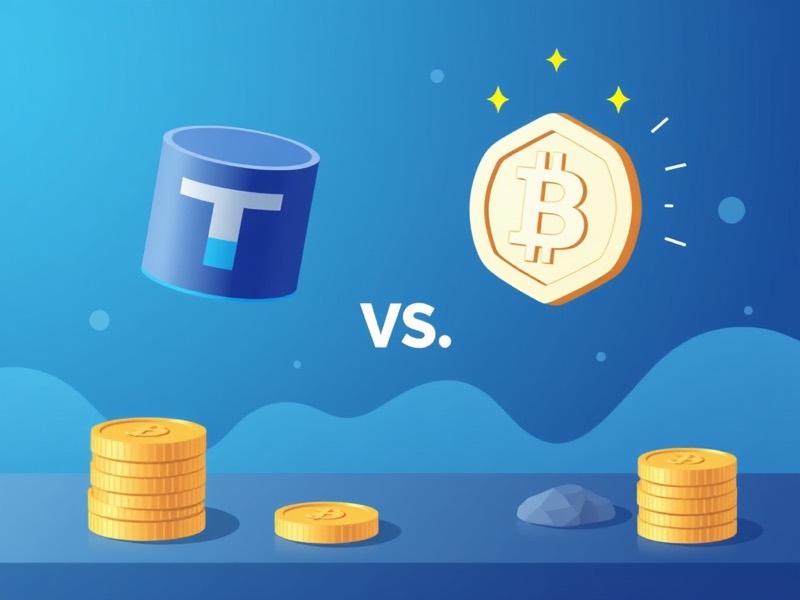
The digital currency landscape is constantly evolving, with privacy-focused cryptocurrencies gaining traction among users seeking anonymity. Among these, Monero vs Zcash shielded transactions have emerged as two of the most prominent solutions. Both offer robust privacy features, but their underlying technologies and use cases differ significantly. For users of platforms like CryptoMixer, understanding these differences is crucial to making informed decisions about transaction security and anonymity. This article delves into the nuances of Monero vs Zcash shielded transactions, exploring their technical foundations, practical applications, and relevance to privacy-centric services like CryptoMixer.
Understanding Shielded Transactions and Their Importance in Privacy
Shielded transactions are designed to obscure the details of a transaction, making it difficult for third parties to trace the flow of funds. This is achieved through advanced cryptographic techniques that ensure user identities and transaction amounts remain confidential. In the context of Monero vs Zcash shielded transactions, this concept is central to their appeal. Both cryptocurrencies aim to provide users with a higher degree of privacy compared to traditional blockchains like Bitcoin, where transaction details are publicly visible.
What Are Shielded Transactions?
Shielded transactions are a type of privacy-enhancing mechanism that prevents the linking of sender, receiver, and transaction amounts. For Monero vs Zcash shielded transactions, this is accomplished through unique cryptographic methods. Monero, for instance, uses ring signatures and stealth addresses to mask transaction details, while Zcash employs zero-knowledge proofs (zk-SNARKs) to allow users to choose between transparent and shielded transactions. These features make shielded transactions a cornerstone of privacy in the cryptocurrency ecosystem.
The Role of Privacy in Cryptocurrency
Privacy is a fundamental concern for many cryptocurrency users, especially in an era where data breaches and surveillance are prevalent. Shielded transactions address this by ensuring that financial activities remain confidential. For users of CryptoMixer, a service that facilitates transaction mixing to enhance anonymity, the integration of Monero vs Zcash shielded transactions can further bolster privacy. This is particularly relevant for individuals or entities that prioritize financial secrecy, whether for personal or business reasons.
Monero vs Zcash: Key Differences in Shielded Transaction Technology
The distinction between Monero vs Zcash shielded transactions lies in their technological approaches to privacy. While both aim to protect user data, their methods and implementation vary. This section explores the core differences in their privacy mechanisms, transaction structures, and scalability.
Monero's Privacy Features
Monero is renowned for its built-in privacy features, which are inherent to its protocol. Unlike Zcash, where users must opt into shielded transactions, Monero ensures that all transactions are private by default. This is achieved through a combination of ring signatures, which mix a user’s transaction with others to obscure the origin, and stealth addresses, which generate unique addresses for each transaction. For users of CryptoMixer, Monero’s default privacy can be a significant advantage, as it eliminates the need for additional steps to secure transactions.
Zcash's Shielded Transactions and zk-SNARKs
Zcash, on the other hand, offers users the flexibility to choose between transparent and shielded transactions. Shielded transactions in Zcash rely on zk-SNARKs, a cryptographic technique that allows one party to prove to another that a statement is true without revealing any additional information. This makes Zcash’s shielded transactions highly secure, but it also requires users to actively enable the feature. For CryptoMixer users, this means they must manually select shielded transactions, which could introduce a potential point of failure if not done correctly.
Comparing Privacy Mechanisms
When evaluating Monero vs Zcash shielded transactions, the choice often comes down to user preference and use case. Monero’s default privacy is ideal for those who want seamless anonymity without additional configuration. Zcash’s zk-SNARKs, however, provide a higher level of customization, allowing users to balance privacy with transparency. For instance, a user might opt for transparent transactions when interacting with CryptoMixer for specific purposes, while using shielded transactions for more sensitive activities. This flexibility makes Zcash a versatile option, but it also requires a deeper understanding of its technical requirements.
Use Cases of Monero and Zcash Shielded Transactions in CryptoMixer
CryptoMixer is a service that helps users enhance the privacy of their cryptocurrency transactions by mixing them with others. The integration of Monero vs Zcash shielded transactions with CryptoMixer can significantly improve anonymity, but the effectiveness depends on how each cryptocurrency’s privacy features align with the service’s capabilities.
CryptoMixer and Monero: Enhancing Anonymity
Monero’s inherent privacy makes it a natural fit for CryptoMixer. Since all Monero transactions are shielded by default, users can send funds through CryptoMixer without worrying about exposing transaction details. This is particularly beneficial for users who prioritize simplicity and reliability. For example, a user sending Monero through CryptoMixer can be confident that their transaction remains private, as the service does not need to handle additional privacy measures. This seamless integration makes Monero a popular choice for those using CryptoMixer to protect their financial activities.
CryptoMixer and Zcash: Privacy and Flexibility
Zcash’s shielded transactions offer a different set of advantages when used with CryptoMixer. While users must manually enable shielded transactions, this flexibility allows them to tailor their privacy settings. For instance, a user might choose to use shielded transactions for high-value transfers while opting for transparent ones for smaller, less sensitive transactions. CryptoMixer can accommodate this by mixing both types of transactions, though the effectiveness of the mix depends on the user’s ability to correctly configure Zcash’s privacy settings. This makes Zcash a versatile option for CryptoMixer users who want to balance privacy with control.
Security Considerations for Shielded Transactions
While Monero vs Zcash shielded transactions provide strong privacy, they also come with unique security considerations. The effectiveness of these transactions depends on the underlying technology and how they are implemented. This section examines the security aspects of both cryptocurrencies, particularly in the context of CryptoMixer.
Monero's Decentralized Security
Monero’s security is rooted in its decentralized network, which ensures that no single entity can compromise the privacy of transactions. The use of ring signatures and stealth addresses makes it extremely difficult for attackers to trace funds. For CryptoMixer users, this means that even if the mixing service is compromised, the inherent privacy of Monero can still protect the transaction. However, it is important to note that no system is entirely immune to attacks, and users must remain vigilant about potential vulnerabilities in the CryptoMixer platform itself.
Zcash's Optional Shielded Transactions and Risks
Zcash’s shielded transactions, while powerful, are optional. This means that users who do not enable them are exposed to the same privacy risks as transparent transactions. For CryptoMixer users, this highlights the importance of correctly configuring Zcash settings. Additionally, the reliance on zk-SNARKs introduces a level of complexity that could be a point of failure if not implemented correctly. Users must ensure that their Zcash wallet and CryptoMixer integration are up-to-date to mitigate these risks. While Zcash’s shielded transactions are secure, they require a higher level of technical expertise compared to Monero’s default privacy.
Conclusion: Choosing Between Monero and Zcash for CryptoMixer Users
When considering Monero vs Zcash shielded transactions for use with CryptoMixer, the decision ultimately depends on the user’s priorities. Monero offers a straightforward, default-privacy solution that is ideal for those who want seamless anonymity. Zcash, on the other hand, provides flexibility through its optional shielded transactions, allowing users to tailor their privacy settings. Both have their strengths and weaknesses, and the choice should be based on factors such as ease of use, technical knowledge, and specific privacy needs.
For CryptoMixer users, the integration of either cryptocurrency can significantly enhance privacy. However, it is essential to understand the technical requirements and security implications of each. By carefully evaluating the features of Monero vs Zcash shielded transactions, users can make informed decisions that align with their goals. As the demand for privacy in cryptocurrency continues to grow, the role of shielded transactions in services like CryptoMixer will only become more critical. Whether you choose Monero or Zcash, the key is to leverage their unique strengths to maximize anonymity and security in your financial activities.