Understanding Monero's Privacy Features
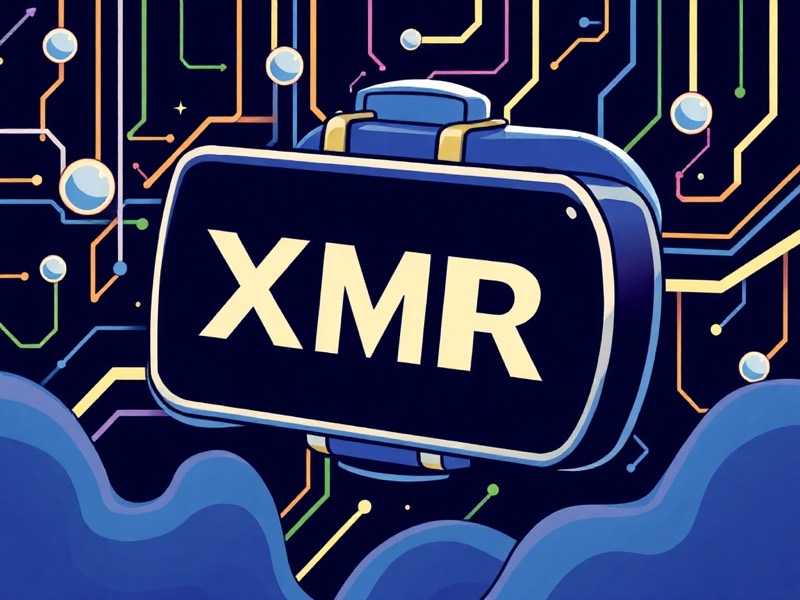
When discussing monero for privacy, it’s essential to grasp the core technologies that make Monero a leader in financial anonymity. Unlike traditional cryptocurrencies, Monero is designed to obscure transaction details, ensuring that sender, receiver, and transaction amounts remain confidential. This is achieved through a combination of advanced cryptographic techniques, including ring signatures, stealth addresses, and zero-knowledge proofs. These features collectively create a robust framework for privacy, making Monero a preferred choice for users prioritizing discretion.
Ring Signatures: The Backbone of Monero’s Anonymity
- How ring signatures work: Monero uses ring signatures to mix a user’s transaction with multiple others, making it impossible to trace the origin of funds.
- Why it matters: This technology ensures that even if a transaction is recorded on the blockchain, the specific sender cannot be identified.
- Comparison to other cryptocurrencies: Unlike Bitcoin, which is pseudonymous, Monero’s ring signatures provide true anonymity.
Stealth Addresses: Protecting Receiver Identities
Stealth addresses are another critical component of monero for privacy. Each transaction generates a unique, one-time address for the recipient, which is not linked to their public wallet address. This means that even if someone knows the recipient’s public address, they cannot trace back to the specific transaction. This feature is particularly valuable for users who want to avoid being monitored or targeted.
Zero-Knowledge Proofs: Enhancing Transaction Security
Zero-knowledge proofs (ZKPs) allow Monero to verify transactions without revealing any underlying data. This means that while the network confirms the validity of a transaction, it does not disclose details like the amount or the parties involved. ZKPs are a cornerstone of monero for privacy, as they ensure that users can transact securely without compromising their financial information.
Monero for Privacy in the CryptoMixer Niche
The CryptoMixer niche, which focuses on cryptocurrency mixing services, has increasingly adopted Monero as a key player. CryptoMixer, a popular mixing service, leverages Monero’s inherent privacy features to enhance the anonymity of users. This synergy between Monero and CryptoMixer highlights how monero for privacy can be optimized in specific use cases.
The Role of CryptoMixer in Enhancing Monero Privacy
- What is CryptoMixer? CryptoMixer is a service that allows users to "mix" their Monero transactions, breaking the link between the original sender and receiver.
- How it works with Monero: By using Monero’s privacy features, CryptoMixer can further obscure transaction trails, making it nearly impossible to trace funds.
- Why CryptoMixer is a preferred choice: Its integration with Monero ensures that even if a transaction is mixed, the privacy of the user remains intact.
Why CryptoMixer is a Preferred Choice for Monero Users
For users prioritizing monero for privacy, CryptoMixer offers a reliable solution. The service is designed to handle Monero transactions efficiently, ensuring that the mixing process does not compromise the currency’s privacy features. Additionally, CryptoMixer’s reputation for security and transparency makes it a trusted option for those seeking to protect their financial data.
Risks and Considerations in the CryptoMixer Niche
While CryptoMixer and Monero together provide strong privacy, there are risks to consider. For instance, if a mixing service is compromised or if users fail to follow best practices, the privacy benefits of monero for privacy could be undermined. It’s crucial for users to research and choose reputable services like CryptoMixer to maximize their privacy.
Use Cases of Monero for Privacy
Monero’s privacy features make it suitable for a wide range of scenarios where financial anonymity is critical. From everyday transactions to high-stakes financial activities, monero for privacy offers a versatile solution. Below are some key use cases that demonstrate its value.
Online Transactions and Purchases
One of the most common applications of monero for privacy is in online transactions. Users can purchase goods or services without revealing their financial details. This is particularly useful for individuals in regions with strict financial surveillance or those who wish to avoid targeted advertising based on their spending habits.
- Example: A user buying a digital product can pay with Monero, ensuring their transaction remains private.
- Benefit: No need to share personal information with merchants, reducing the risk of data breaches.
- Limitations: While Monero provides privacy, it’s still important to use secure platforms to avoid fraud.
Protecting Sensitive Financial Data
For individuals or businesses handling sensitive financial information, monero for privacy is a powerful tool. By using Monero, users can conduct transactions without exposing their financial history or balances. This is especially relevant for whistleblowers, activists, or anyone facing financial threats.
How Monero Protects Data
- No transaction history: Monero’s design ensures that past transactions cannot be linked to a user’s identity.
- Decentralized nature: The absence of a central authority reduces the risk of data being accessed by third parties.
- Use in high-risk environments: Monero is often used in countries with oppressive financial systems to protect users from surveillance.
Monero for Privacy in Dark Web Transactions
While the dark web is often associated with illegal activities, monero for privacy is also used by legitimate users who require anonymity. The dark web’s inherent secrecy makes Monero an ideal currency for transactions where privacy is paramount. However, it’s important to note that using Monero for illegal purposes is against the law and unethical.
Why Monero is Preferred Over Other Cryptocurrencies
- Strong privacy features: Unlike Bitcoin or Ethereum, Monero does not require users to disclose transaction details.
- Resistance to tracking: Even if a transaction is recorded, the sender and receiver cannot be identified.
- Adoption in dark web markets: Many dark web platforms accept Monero due to its privacy advantages.
Security and Risks of Using Monero for Privacy
While monero for privacy offers significant benefits, it’s not without risks. Users must be aware of potential threats and take steps to mitigate them. Understanding these risks is crucial for anyone looking to use Monero for privacy purposes.
Potential Threats to Monero’s Privacy
Despite its advanced privacy features, Monero is not entirely immune to threats. For example, if a user’s wallet is compromised or if a mixing service like CryptoMixer is hacked, the privacy of transactions could be at risk. Additionally, regulatory actions or technological advancements could impact Monero’s privacy capabilities.
Common Threats
- Wallet vulnerabilities: If a user’s Monero wallet is hacked, their funds and transaction history could be exposed.
- Regulatory pressure: Governments may attempt to restrict the use of privacy-focused cryptocurrencies.
- Technological vulnerabilities: New attacks or exploits could potentially compromise Monero’s privacy features.
Best Practices for Secure Usage
To maximize the benefits of monero for privacy, users should follow best practices. This includes using secure wallets, avoiding public Wi-Fi for transactions, and choosing reputable mixing services like CryptoMixer. Additionally, staying informed about the latest developments in Monero and privacy technologies is essential.
Key Recommendations
- Use hardware wallets: These are more secure than software wallets and reduce the risk of hacking.
- Regularly update software: Ensure that your Monero wallet and mixing services are up to date.
- Limit transaction amounts: Smaller transactions can reduce the risk of being targeted by attackers.
Conclusion: The Future of Monero for Privacy
As digital privacy becomes increasingly important, monero for privacy is likely to play a pivotal role in shaping the future of financial transactions. Its combination of advanced cryptographic techniques and user-friendly features makes it a strong contender for those seeking anonymity. However, users must remain vigilant and proactive in protecting their privacy. By leveraging services like CryptoMixer and adhering to best practices, individuals can fully harness the power of monero for privacy in an increasingly transparent world.
In summary, Monero’s privacy features, when combined with tools like CryptoMixer, offer a robust solution for users who value financial anonymity. While challenges exist, the ongoing development of Monero and its ecosystem ensures that it will remain a key player in the privacy-focused cryptocurrency space. For anyone exploring monero for privacy, understanding its capabilities and limitations is the first step toward making informed decisions.