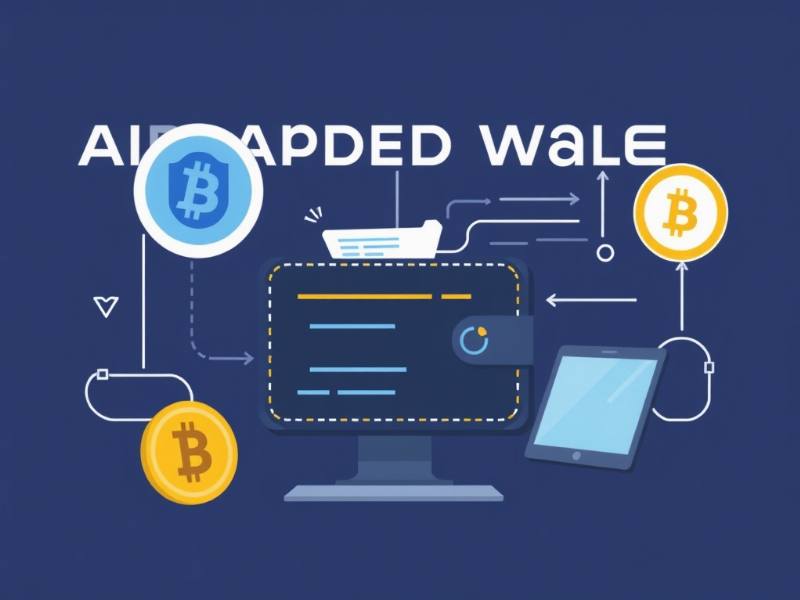
In the ever-evolving landscape of cryptocurrency, security remains a paramount concern for users. One of the most effective ways to protect digital assets is by learning how to create an air-gapped wallet. This method ensures that your private keys are never exposed to online threats, offering a robust layer of protection against hacking, phishing, and other cyberattacks. Whether you're a seasoned investor or a newcomer to the crypto space, understanding how to create an air-gapped wallet can significantly enhance your security posture.
Understanding Air-Gapped Wallets
What is an Air-Gapped Wallet?
An air-gapped wallet is a type of cryptocurrency storage solution that operates entirely offline. Unlike traditional software or hardware wallets that connect to the internet, an air-gapped wallet isolates your private keys from digital networks. This isolation is achieved by using physical devices or manual processes that do not rely on internet connectivity. The core principle behind how to create an air-gapped wallet is to eliminate any potential points of vulnerability that could be exploited by malicious actors.
Why Air-Gapped Wallets Are Essential for Security
Cybersecurity threats in the cryptocurrency realm are constantly evolving. Hackers target online wallets, exchanges, and even hardware devices that are connected to the internet. By learning how to create an air-gapped wallet, users can mitigate these risks. Since no data is transmitted over the internet, the likelihood of unauthorized access is drastically reduced. This makes air-gapped wallets a preferred choice for individuals holding large amounts of cryptocurrency or those who prioritize maximum security.
Steps to Create an Air-Gapped Wallet
Choosing the Right Hardware Wallet
Before diving into how to create an air-gapped wallet, it’s crucial to select the appropriate hardware. Not all hardware wallets are designed for air-gapped use. Look for devices that explicitly support offline functionality, such as the Ledger Nano X or Trezor Model T. These devices allow you to generate and manage private keys without requiring an internet connection. Ensure the hardware you choose is from a reputable manufacturer to avoid counterfeit or compromised products.
Setting Up the Wallet Offline
Once you have the hardware, the next step in how to create an air-gapped wallet is to set it up in a completely offline environment. This means using a computer or device that is not connected to the internet. Begin by initializing the wallet on the offline device. Follow the manufacturer’s instructions carefully, as this process typically involves generating a recovery phrase and setting up the wallet’s security features. Avoid using any online tools or software during this phase to maintain the integrity of the air-gapped setup.
Generating and Storing Private Keys Securely
Private keys are the cornerstone of any cryptocurrency wallet. When learning how to create an air-gapped wallet, it’s essential to generate these keys offline. Most hardware wallets allow you to create a private key directly on the device, which is then stored securely within the hardware. Never transfer this key to an online device or write it down in an unsecured location. Instead, store the recovery phrase in a physical medium, such as a metal backup or a safe. This ensures that even if the hardware is lost or damaged, you can still recover your funds.
Transferring Funds Without Digital Interference
After setting up your air-gapped wallet, you’ll need to transfer funds to it. This step requires careful planning to maintain the air-gapped nature of the wallet. One common method is to use a trusted offline computer to generate a transaction and then manually input the details into the hardware wallet. Alternatively, you can use a second device that is also air-gapped to facilitate the transfer. The key is to avoid any digital communication between the sending and receiving devices. This ensures that no sensitive information is exposed to potential threats during the transfer process.
Best Practices for Maintaining Security
Regular Backups and Redundancy
Security is not a one-time task; it requires ongoing maintenance. When you learn how to create an air-gapped wallet, you should also establish a routine for backing up your recovery phrase and private keys. Store multiple copies of these backups in different secure locations. For example, keep one copy in a safe, another in a safety deposit box, and a third with a trusted family member. Redundancy is critical because losing access to your wallet could result in the permanent loss of your funds.
Avoiding Digital Interference
One of the primary advantages of an air-gapped wallet is its isolation from digital networks. However, this benefit can be compromised if you inadvertently connect the device to the internet. Always ensure that your hardware wallet remains offline unless you are actively using it for a transaction. Avoid using public Wi-Fi or unsecured networks when interacting with your wallet. Additionally, be cautious about sharing your recovery phrase or private keys with anyone, even if they claim to be trustworthy.
Testing Your Wallet Periodically
Regular testing is an often-overlooked aspect of maintaining an air-gapped wallet. Periodically verify that your wallet is functioning correctly by performing a small test transaction. This helps ensure that the private keys are still valid and that the wallet can successfully interact with the blockchain. If you encounter any issues during testing, it may indicate a problem with the setup or the hardware itself. Addressing these issues promptly can prevent potential security breaches in the future.
Common Mistakes to Avoid When Creating an Air-Gapped Wallet
Using Insecure Devices
A common mistake when learning how to create an air-gapped wallet is using devices that are not fully secure. For instance, using a smartphone or laptop that is connected to the internet to set up the wallet can introduce vulnerabilities. Always use a dedicated, offline device for the entire process. Additionally, avoid using devices that have been previously compromised or are known to have security flaws. The integrity of your air-gapped wallet depends on the security of the hardware and software you use.
Neglecting Backup Procedures
Another frequent error is failing to properly back up the recovery phrase or private keys. Some users may write down their recovery phrase on paper and leave it in an unsecured location. Others might store it digitally, which defeats the purpose of an air-gapped wallet. Always follow best practices for backups, such as using multiple physical copies and storing them in separate secure locations. Neglecting this step can lead to irreversible loss of funds if the wallet is damaged or lost.
Failing to Test the Wallet
Many users skip the testing phase when they learn how to create an air-gapped wallet. This can result in unexpected issues when they need to access their funds. Testing ensures that the wallet is operational and that the private keys are correctly stored. Without testing, you may not realize that the wallet is not functioning as intended until it’s too late. Make testing a mandatory part of your setup process to avoid potential problems down the line.
Advanced Considerations for Air-Gapped Wallets
Integrating with Other Security Measures
While an air-gapped wallet provides a high level of security, it should not be the sole line of defense. Integrating it with other security measures can further enhance protection. For example, using multi-factor authentication (MFA) for any online interactions related to your cryptocurrency can add an extra layer of security. Additionally, consider using a hardware wallet in conjunction with a cold storage solution, such as a paper wallet or a physical vault. This multi-layered approach ensures that even if one security measure fails, others are in place to protect your assets.
Customizing Your Air-Gapped Setup
Customization can play a significant role in how to create an air-gapped wallet. Depending on your specific needs, you may want to tailor the setup to your environment. For instance, if you frequently travel, you might opt for a portable air-gapped wallet that can be easily carried. Alternatively, if you’re concerned about physical security, you could use a wallet that requires a biometric lock or a PIN code. Customizing your setup allows you to address unique security challenges and adapt to changing circumstances.
Staying Updated with Security Threats
The cryptocurrency landscape is constantly evolving, and so are the threats. Staying informed about the latest security risks is essential when learning how to create an air-gapped wallet. Regularly check for updates from your wallet manufacturer and follow reputable cybersecurity sources. New vulnerabilities or attack methods may emerge, and being aware of these can help you adjust your security practices accordingly. Proactive monitoring ensures that your air-gapped wallet remains effective against emerging threats.
In conclusion, learning how to create an air-gapped wallet is a critical step for anyone serious about securing their cryptocurrency. By following the steps outlined in this guide and adhering to best practices, you can significantly reduce the risk of unauthorized access to your funds. While the process requires careful planning and attention to detail, the peace of mind it provides is well worth the effort. As the digital world continues to grow, the importance of robust security measures like air-gapped wallets will only increase. Taking the time to understand and implement this method can make a substantial difference in protecting your digital assets for years to come.