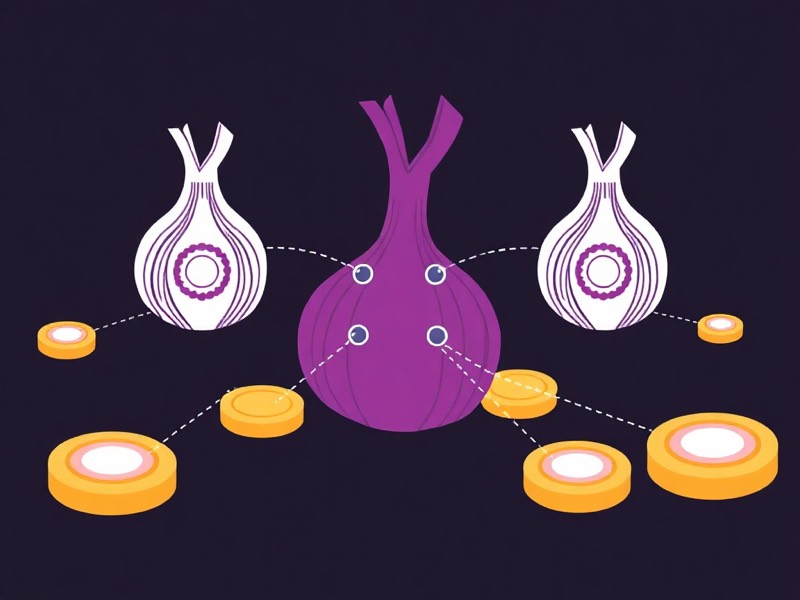
Understanding the Core Concept of Forensic Wallet Analysis
Forensic wallet analysis is a specialized process that involves examining cryptocurrency transaction histories to identify patterns, trace funds, and uncover potential illicit activities. In the context of the CryptoMixer niche, this analysis becomes particularly critical due to the anonymity features of mixing services like CryptoMixer. These platforms are often used to obscure transaction trails, making it challenging for authorities or security teams to track the movement of digital assets. By leveraging blockchain data and advanced analytical tools, forensic wallet analysis aims to reconstruct the flow of funds, detect suspicious behavior, and provide actionable insights for legal or security purposes.
What Exactly Is a Forensic Wallet Analysis?
- Definition: Forensic wallet analysis refers to the systematic examination of cryptocurrency wallets to detect anomalies, verify transaction legitimacy, and trace the origin or destination of funds.
- Purpose: It is commonly used in cybersecurity, law enforcement, and compliance to investigate fraud, money laundering, or other malicious activities involving digital currencies.
- Key Focus Areas: Transaction timestamps, wallet addresses, transaction amounts, and interactions with mixing services like CryptoMixer.
The Role of Blockchain Technology in Forensic Analysis
Blockchain technology serves as the backbone of forensic wallet analysis. Every transaction is recorded on a public ledger, creating an immutable trail that can be analyzed. However, the transparency of blockchain is not absolute. Services like CryptoMixer introduce layers of obfuscation by mixing funds from multiple users, making it difficult to trace individual transactions. Forensic analysts must navigate these complexities by cross-referencing blockchain data with external information, such as wallet ownership details or transaction patterns.
How Forensic Wallet Analysis Works in Practice
Conducting a forensic wallet analysis requires a combination of technical expertise, data analysis skills, and an understanding of cryptocurrency ecosystems. The process typically involves several steps, each designed to extract meaningful information from the vast amount of data generated by blockchain networks. In the CryptoMixer niche, this analysis is often focused on identifying how mixing services are used to launder or hide funds.
Tracking Transaction Histories
- Data Collection: Analysts gather transaction data from blockchain explorers, wallet providers, or third-party services. This includes details like sender and receiver addresses, transaction amounts, and timestamps.
- Pattern Recognition: By analyzing repeated transactions or unusual activity, analysts can identify potential red flags, such as rapid fund transfers or interactions with known mixing services.
- Linking Wallets: Advanced techniques may involve clustering similar wallet addresses to determine if they belong to the same entity or are part of a coordinated effort to obscure funds.
Identifying Anomalies and Red Flags
One of the primary goals of forensic wallet analysis is to detect anomalies that deviate from normal transaction behavior. For example, a sudden influx of funds into a wallet followed by rapid transfers to multiple addresses could indicate money laundering. In the context of CryptoMixer, analysts might look for patterns where users repeatedly send funds through the mixer to create a false trail. Tools like machine learning algorithms or statistical analysis can help identify these anomalies more efficiently than manual review.
The Use of Specialized Tools and Software
Forensic wallet analysis relies heavily on specialized tools designed to process and interpret blockchain data. These tools can automate tasks such as tracing transaction chains, visualizing fund flows, and flagging suspicious activities. For instance, software like Chainalysis or Elliptic provides forensic capabilities tailored for cryptocurrency investigations. In the CryptoMixer niche, these tools are particularly valuable for dissecting how mixing services like CryptoMixer are used to anonymize transactions. Analysts may also use custom scripts or blockchain explorers to manually verify data points that automated systems might miss.
Applications of Forensic Wallet Analysis in the CryptoMixer Niche
The CryptoMixer niche is a critical area for forensic wallet analysis due to the prevalence of mixing services in cryptocurrency transactions. CryptoMixer, in particular, is known for its ability to obscure the origin of funds, making it a target for both malicious actors and regulatory scrutiny. Forensic analysts in this niche focus on understanding how these services are exploited and developing methods to counteract their anonymity features.
Investigating Illicit Activities
One of the primary applications of forensic wallet analysis in the CryptoMixer niche is investigating illegal activities. Criminals often use mixing services to launder money or fund illicit operations. By analyzing the transaction history of wallets linked to CryptoMixer, forensic experts can trace the flow of funds back to their original sources. This process may involve cross-referencing with external databases, such as known criminal addresses or sanctioned entities, to build a case for legal action.
Compliance and Regulatory Enforcement
Financial institutions and regulatory bodies increasingly require forensic wallet analysis to comply with anti-money laundering (AML) and know-your-customer (KYC) regulations. In the context of CryptoMixer, this might involve verifying whether users are adhering to transaction reporting requirements or identifying instances where the service is used to bypass compliance measures. Forensic analysts play a key role in providing evidence that can be used in regulatory investigations or to hold service providers accountable for facilitating illegal activities.
Protecting Users and Platforms
Forensic wallet analysis also serves to protect both users and platforms from potential threats. For example, a cryptocurrency exchange might use forensic analysis to detect if a user’s wallet is involved in suspicious transactions linked to CryptoMixer. Similarly, security teams within the CryptoMixer niche could employ forensic techniques to identify and mitigate risks associated with their service. This proactive approach helps prevent fraud, theft, or other malicious activities that could harm the reputation of the platform or its users.
Challenges and Limitations of Forensic Wallet Analysis
While forensic wallet analysis offers significant benefits, it is not without challenges. The dynamic nature of cryptocurrency transactions, combined with the anonymity features of services like CryptoMixer, creates a complex environment for analysis. Additionally, the lack of standardized data formats and the rapid evolution of blockchain technology can hinder the effectiveness of forensic methods. Understanding these limitations is crucial for improving the accuracy and reliability of forensic wallet analysis in the CryptoMixer niche.
Anonymity and Obfuscation Techniques
One of the biggest challenges in forensic wallet analysis is the anonymity provided by mixing services like CryptoMixer. These platforms are designed to break the link between the sender and receiver of funds, making it difficult to trace transactions. Analysts must employ advanced techniques, such as clustering algorithms or cross-chain analysis, to overcome these obfuscation methods. However, the constant innovation in anonymity tools means that forensic methods must also evolve to stay effective.
Data Privacy and Legal Constraints
Another limitation is the balance between data privacy and the need for transparency in forensic analysis. While blockchain data is public, accessing certain information, such as wallet ownership details, may require legal authorization. In some jurisdictions, strict data protection laws may restrict the ability of forensic analysts to gather or share information. This can complicate investigations, especially when dealing with international cases involving CryptoMixer or similar services.
The Rapid Evolution of Cryptocurrency Ecosystems
The cryptocurrency landscape is constantly changing, with new coins, wallets, and mixing services emerging regularly. This rapid evolution can make forensic wallet analysis more challenging, as analysts must stay updated with the latest technologies and trends. For instance, the introduction of privacy coins or decentralized mixing services may require new approaches to forensic analysis. In the CryptoMixer niche, this means continuously adapting methods to address the unique characteristics of CryptoMixer and similar platforms.
Future Trends in Forensic Wallet Analysis
As the demand for forensic wallet analysis grows, particularly in the CryptoMixer niche, new technologies and methodologies are expected to emerge. These advancements aim to enhance the accuracy, efficiency, and scalability of forensic processes. By staying ahead of these trends, analysts can better address the challenges posed by cryptocurrency anonymity and ensure that forensic wallet analysis remains a vital tool in combating financial crimes.
The Integration of Artificial Intelligence
Artificial intelligence (AI) is poised to revolutionize forensic wallet analysis. Machine learning algorithms can process vast amounts of blockchain data at unprecedented speeds, identifying patterns and anomalies that might be missed by human analysts. In the context of CryptoMixer, AI could be used to detect complex mixing patterns or predict potential risks associated with specific transactions. As AI technology continues to improve, its integration into forensic workflows will likely become a standard practice.
Collaboration Between Industry Stakeholders
Effective forensic wallet analysis often requires collaboration between different stakeholders, including law enforcement, financial institutions, and cryptocurrency service providers. In the CryptoMixer niche, this could involve sharing intelligence about CryptoMixer usage or developing standardized protocols for analyzing mixing service transactions. Such collaboration can lead to more comprehensive investigations and better enforcement of regulatory standards.
The Development of Standardized Tools
The lack of standardized tools for forensic wallet analysis has been a barrier to its widespread adoption. However, as the need for these tools increases, developers are likely to create more robust and user-friendly solutions. These tools could offer features like real-time transaction monitoring, automated reporting, and integration with existing compliance systems. For the CryptoMixer niche, standardized tools would help streamline the analysis of CryptoMixer-related transactions, making it easier for analysts to detect and address illicit activities.
Conclusion: The Importance of Forensic Wallet Analysis in the CryptoMixer Niche
Forensic wallet analysis is an essential component of cryptocurrency security and compliance, especially in the CryptoMixer niche. As mixing services like CryptoMixer continue to be used for both legitimate and illicit purposes, the ability to trace and analyze transactions becomes increasingly important. By understanding the processes, challenges, and future trends of forensic wallet analysis, stakeholders can better navigate the complexities of the cryptocurrency landscape. Whether for legal investigations, regulatory compliance, or platform security, forensic wallet analysis provides the insights needed to ensure the integrity of digital financial systems.