Understanding the EU Sanctions on Russian Crypto
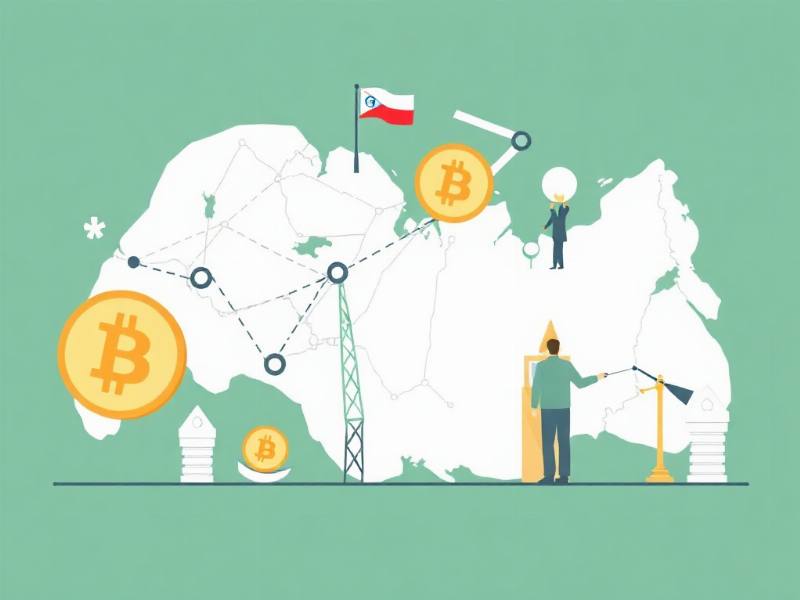
The EU sanctions on Russian crypto represent a significant escalation in the global regulatory response to the intersection of cryptocurrency and geopolitical tensions. These measures were introduced in response to Russia’s invasion of Ukraine, aiming to disrupt financial flows and limit the use of digital assets by entities linked to the Russian government or its allies. The sanctions are part of a broader strategy to isolate Russia economically and politically, leveraging the borderless nature of cryptocurrencies to target specific actors.
Key Components of the Sanctions
- Asset Freezes: The EU has imposed restrictions on freezing assets held by Russian individuals or entities involved in crypto transactions. This includes bank accounts, crypto wallets, and other financial instruments tied to sanctioned parties.
- Transaction Restrictions: Cross-border crypto transactions involving Russian entities are heavily monitored. Exchanges and service providers are required to verify the origin of funds and report suspicious activities.
- Blacklisting of Entities: Specific crypto exchanges, wallets, and service providers operating in Russia or linked to the country have been added to the EU’s sanctions list. These entities are prohibited from conducting business with EU-based partners.
The Role of the European Union in Enforcement
The EU’s approach to sanctions on Russian crypto is coordinated through its financial action task force (FATF) and the European Banking Authority (EBA). These bodies work with member states to ensure compliance, often requiring crypto platforms to implement advanced monitoring tools. The goal is to prevent the misuse of digital assets for funding military operations or circumventing economic sanctions.
Impact on the Russian Crypto Market
The EU sanctions on Russian crypto have had a profound effect on the Russian cryptocurrency ecosystem. As one of the largest markets for crypto trading in Eastern Europe, Russia has seen a sharp decline in activity due to these measures. The sanctions have forced many local exchanges to shut down or relocate, while users have faced increased scrutiny when attempting to access global platforms.
Market Volatility and Trading Volume Decline
- Reduced Liquidity: With major exchanges exiting the Russian market, liquidity has dropped significantly. This has led to wider bid-ask spreads and higher transaction costs for remaining users.
- Price Fluctuations: The value of major cryptocurrencies like Bitcoin and Ethereum has experienced volatility as Russian traders exit the market. Some altcoins, particularly those associated with Russian projects, have seen sharp price drops.
- Shift to Alternative Platforms: Users have migrated to decentralized exchanges (DEXs) or platforms based in non-sanctioned jurisdictions, such as Asia or Latin America. This has created new challenges for regulators seeking to track illicit activity.
Shift in Crypto Adoption Patterns
The sanctions have also influenced how Russians perceive and use cryptocurrencies. While some view digital assets as a hedge against economic instability, others have become more cautious due to the regulatory risks. The EU sanctions on Russian crypto have highlighted the tension between financial freedom and compliance, forcing users to balance privacy with legal obligations.
Compliance and Regulatory Challenges
For crypto businesses operating in or interacting with the Russian market, the EU sanctions on Russian crypto present complex compliance challenges. Exchanges, wallet providers, and even individual users must navigate a labyrinth of rules designed to prevent money laundering and support for sanctioned entities.
Challenges for Crypto Exchanges
- KYC/AML Requirements: Exchanges must implement robust know-your-customer (KYC) and anti-money laundering (AML) protocols. This includes verifying the identity of users and monitoring transactions for red flags.
- Data Localization: Some EU regulations require data to be stored within member states, complicating operations for global platforms that serve Russian users.
- Sanctions Screening Tools: Platforms must integrate automated tools to screen transactions against the EU’s sanctions list. False positives can lead to account freezes or legal repercussions.
Role of Blockchain Analytics
Blockchain analytics firms have become critical in enforcing the EU sanctions on Russian crypto. These companies use advanced algorithms to trace transactions, identify patterns, and flag suspicious activity. Their work is essential for ensuring that sanctioned entities cannot exploit the transparency of blockchain technology to evade detection.
Impact on Crypto Mixers and Privacy Coins
The EU sanctions on Russian crypto have also targeted crypto mixers, which are services designed to anonymize transactions. These tools are often used by individuals seeking privacy, but they can also be exploited for illicit purposes. The EU has taken steps to restrict access to mixers operated by or linked to Russian entities, further complicating the landscape for privacy-focused crypto users.
Sanctions on Mixing Services
- Targeting High-Risk Mixers: The EU has added several crypto mixers to its sanctions list, particularly those based in Russia or used by Russian users. This has made it harder for users to anonymize their transactions.
- Increased Scrutiny: Even non-Russian mixers are under pressure to comply with EU regulations. Platforms must now verify the origin of funds and report any transactions involving sanctioned addresses.
- Shift to Decentralized Mixers: Some users have turned to decentralized mixers, which operate without a central authority. However, these solutions are not immune to regulatory pressure, as they can still be monitored through blockchain analysis.
Privacy Coins and Regulatory Pushback
The rise of privacy coins like Monero and Zcash has drawn attention from regulators. The EU sanctions on Russian crypto have intensified efforts to ban or restrict these coins, arguing that they enable illegal activities. While privacy coins offer legitimate use cases, their association with sanctioned entities has made them a focal point of regulatory action.
Case Studies and Real-World Examples
Examining specific instances of the EU sanctions on Russian crypto provides valuable insights into their real-world effects. These case studies illustrate how the sanctions have been applied, the challenges faced by affected parties, and the lessons learned for future enforcement.
Notable Cases of Sanctioned Entities
- Exchange Closures: Several Russian-based exchanges, such as Bit2Me and BTC-e, were forced to shut down or relocate after being added to the EU sanctions list. This has left a void in the local market, with users struggling to find reliable platforms.
- Wallet Freezes: Crypto wallets linked to Russian oligarchs or political figures have been frozen, preventing access to funds. This has had a direct impact on individuals and businesses reliant on these wallets.
- Project Delays: Crypto projects based in Russia, such as Ethereum-based DeFi platforms, have faced delays or cancellations due to the uncertainty created by the sanctions.
Lessons Learned from Enforcement
The enforcement of the EU sanctions on Russian crypto has highlighted both the effectiveness and limitations of regulatory measures. While the sanctions have successfully disrupted certain activities, they have also led to unintended consequences, such as increased use of decentralized technologies and a rise in cross-border crypto transactions. Regulators must balance the need for compliance with the risks of stifling innovation in the crypto space.
Future Outlook and Potential Developments
The EU sanctions on Russian crypto are likely to evolve as geopolitical dynamics shift. The long-term impact will depend on factors such as the duration of the conflict, changes in EU policy, and advancements in crypto technology. Understanding these potential developments is crucial for stakeholders in the crypto industry.
Potential Evolution of Sanctions
- Expansion to Other Jurisdictions: If the conflict persists, the EU may extend its sanctions to include other countries with ties to Russia. This could create a more fragmented global crypto market.
- Targeting Specific Technologies: Future sanctions might focus on specific blockchain technologies or protocols used by Russian entities. For example, the EU could target proof-of-work blockchains or decentralized finance (DeFi) platforms.
- Increased International Cooperation: The EU may collaborate more closely with other regions, such as the United States or the United Nations, to create a unified approach to crypto regulation.
Technological Adaptations in the Crypto Space
The EU sanctions on Russian crypto have spurred innovation in the crypto industry. Developers are exploring new ways to comply with regulations while maintaining user privacy. For instance, zero-knowledge proofs and privacy-preserving smart contracts are being tested as potential solutions. These advancements could reshape how crypto is used and regulated in the future.
Long-Term Implications for the Crypto Industry
The sanctions have underscored the need for a balanced approach to crypto regulation. While the EU sanctions on Russian crypto aim to prevent abuse, they also raise questions about the role of digital assets in a global economy. As the industry matures, there may be a shift toward more transparent and cooperative regulatory frameworks that accommodate both security and innovation.
The EU sanctions on Russian crypto are a complex and multifaceted issue with far-reaching