For those new to the world of cryptocurrency, the concept of anonymizing bitcoin holdings might seem complex or even unnecessary. However, as digital assets gain mainstream attention, the need for privacy and security has never been more critical. A beginner guide to anonymizing bitcoin holdings is essential for anyone looking to protect their financial information from prying eyes. This guide will walk you through the fundamentals, tools, and strategies to ensure your bitcoin transactions remain as private as possible.
Understanding Bitcoin Anonymity
Bitcoin, by design, is a decentralized digital currency that operates on a public ledger called the blockchain. While this transparency is a core feature of the technology, it also means that every transaction is visible to anyone with access to the blockchain. For many users, this level of visibility can be a concern, especially when dealing with large sums or sensitive financial activities. A beginner guide to anonymizing bitcoin holdings starts with understanding the difference between transparency and privacy in the context of cryptocurrency.
What is Bitcoin Anonymity?
Bitcoin anonymity refers to the ability to conduct transactions without revealing the identities of the sender or receiver. Unlike traditional banking systems, where personal information is tied to accounts, bitcoin transactions are pseudonymous. This means that while the transaction history is public, the real-world identities of the parties involved are not directly linked. However, with advanced techniques and tools, it is possible to further obscure this information, making it harder to trace transactions back to individuals.
Why Anonymize Bitcoin Holdings?
There are several reasons why someone might want to anonymize their bitcoin holdings. For instance, individuals may wish to protect their financial privacy from governments, corporations, or even hackers. Additionally, in regions with strict financial regulations or surveillance, anonymizing bitcoin can help users avoid legal or political risks. A beginner guide to anonymizing bitcoin holdings should emphasize that anonymity is not just about hiding money but also about maintaining control over one’s financial data.
The Role of Bitcoin Mixers
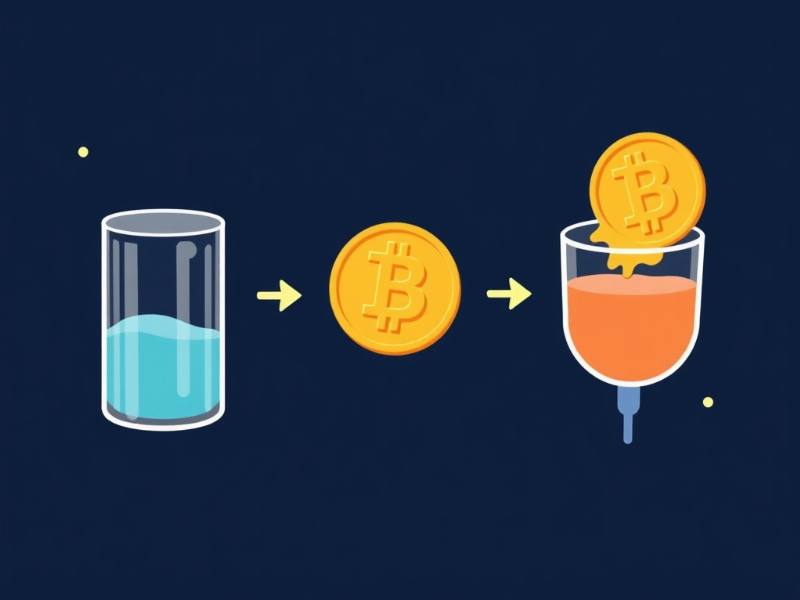
One of the most effective tools for anonymizing bitcoin is a bitcoin mixer, also known as a tumbler. These services take your bitcoins and mix them with others, making it difficult to trace the original source. While not all mixers are created equal, using a reputable service like CryptoMixer can significantly enhance your privacy. It’s important to note that while mixers can obscure transaction trails, they are not foolproof and should be used as part of a broader strategy for anonymizing bitcoin holdings.
Tools and Services for Anonymization
Anonymizing bitcoin holdings requires the right tools and services. From privacy-focused wallets to advanced mixing services, there are multiple options available. However, not all tools are equally effective, and some may even compromise your privacy if not used correctly. This section will explore the most reliable methods and services for anonymizing bitcoin, with a focus on the CryptoMixer niche.
Privacy-Focused Wallets
Choosing the right wallet is the first step in anonymizing your bitcoin. Privacy wallets, such as Wasabi Wallet or Monero-compatible wallets, are designed to enhance anonymity by using techniques like coin joining or ring signatures. These wallets make it harder to link transactions to specific users. For beginners, it’s crucial to research and select a wallet that aligns with their privacy goals. A beginner guide to anonymizing bitcoin holdings should highlight the importance of wallet selection as a foundational step.
Bitcoin Mixers and Their Functionality
As mentioned earlier, bitcoin mixers play a pivotal role in anonymizing transactions. Services like CryptoMixer take your bitcoins and combine them with those of other users, creating a complex web of transactions that obscure the original source. This process, known as tumbling, is a key component of a beginner guide to anonymizing bitcoin holdings. However, it’s important to choose a mixer with a strong reputation and transparent policies. Some mixers may log user data or have vulnerabilities that could compromise privacy. Always verify the security and reliability of any service before using it.
Tor Network and Its Integration
The Tor network is another tool that can enhance anonymity when dealing with bitcoin. By routing your internet traffic through multiple nodes, Tor makes it difficult to trace your online activity. Combining Tor with a privacy wallet or a bitcoin mixer can add an extra layer of security. For example, using Tor to access a mixer service ensures that your IP address is hidden, further protecting your identity. This integration is a valuable tip for anyone following a beginner guide to anonymizing bitcoin holdings.
Step-by-Step Guide to Anonymizing Bitcoin Holdings
Now that you understand the basics and tools involved, it’s time to put them into practice. Anonymizing bitcoin holdings is not a one-time task but an ongoing process. This section will provide a clear, step-by-step guide tailored for beginners, ensuring you can follow along without prior experience.
Setting Up a Privacy Wallet
The first step in anonymizing your bitcoin is to set up a privacy-focused wallet. Start by downloading a reputable wallet like Wasabi or Electrum, which offers advanced privacy features. Ensure that you generate a new wallet address and avoid reusing old addresses, as this can link transactions to your identity. Additionally, consider using a hardware wallet for added security. This step is critical in a beginner guide to anonymizing bitcoin holdings, as the wallet serves as the foundation for all subsequent actions.
Using a Bitcoin Mixer Effectively
Once your wallet is set up, the next step is to use a bitcoin mixer. Choose a trusted service like CryptoMixer and follow their instructions carefully. Typically, you’ll need to send your bitcoins to the mixer’s address, wait for the mixing process to complete, and then withdraw the anonymized bitcoins to a new address. It’s important to note that the mixing process may take some time, and you should avoid reusing the same address for multiple transactions. This step is a cornerstone of a beginner guide to anonymizing bitcoin holdings, as it directly impacts the level of privacy achieved.
Securing Your Transactions
After mixing your bitcoins, it’s essential to secure your transactions. This includes using strong, unique passwords for your wallet and mixer accounts, enabling two-factor authentication (2FA), and regularly updating your software. Additionally, avoid sharing your wallet addresses or private keys with anyone. By taking these precautions, you can further reduce the risk of your anonymized bitcoin holdings being traced. This final step ensures that your efforts in a beginner guide to anonymizing bitcoin holdings are not undermined by poor security practices.
Risks and Considerations
While anonymizing bitcoin holdings offers significant benefits, it’s not without risks. Understanding these potential pitfalls is crucial for anyone following a beginner guide to anonymizing bitcoin holdings. From legal issues to technical vulnerabilities, there are several factors to consider before proceeding.
Legal Risks
In some jurisdictions, using tools to anonymize bitcoin may be viewed as an attempt to evade taxes or engage in illegal activities. It’s important to research the laws in your country regarding cryptocurrency and privacy. For example, while anonymizing bitcoin is legal in many places, using it for illicit purposes can lead to serious consequences. A beginner guide to anonymizing bitcoin holdings should emphasize the importance of compliance with local regulations to avoid unintended legal issues.
Technical Vulnerabilities
No tool or method is 100% foolproof. Bitcoin mixers, for instance, can be targeted by hackers or may have flaws in their algorithms. Additionally, if your wallet or mixer is compromised, your anonymity could be at risk. To mitigate these risks, always use reputable services and keep your software updated. A beginner guide to anonymizing bitcoin holdings should highlight the need for continuous vigilance and the use of trusted tools.
Balancing Anonymity with Usability
Anonymizing bitcoin can sometimes come at the cost of convenience. For example, using a mixer may require multiple steps and take longer than a standard transaction. Similarly, privacy wallets may have fewer features compared to mainstream options. It’s important to weigh the trade-offs between anonymity and ease of use. A beginner guide to anonymizing bitcoin holdings should help users make informed decisions based on their specific needs and risk tolerance.
Future of Bitcoin Anonymity
The landscape of bitcoin anonymity is constantly evolving. As technology advances and regulatory frameworks change, new methods and tools may emerge. Staying informed about these developments is essential for anyone looking to maintain privacy in the long term. This section will explore potential future trends and how they might impact the process of anonymizing bitcoin holdings.
Emerging Technologies
New technologies, such as zero-knowledge proofs and advanced cryptographic techniques, are being developed to enhance privacy in cryptocurrency. These innovations could make it even easier for users to anonymize their bitcoin holdings without compromising security. For instance, protocols like Mimblewimble are designed to offer greater privacy than traditional bitcoin. A beginner guide to anonymizing bitcoin holdings should mention these emerging technologies as potential future solutions.
Regulatory Changes
Governments around the world are increasingly focusing on regulating cryptocurrencies. While some regulations aim to protect users, others may restrict anonymity tools. It’s important to stay updated on any changes in legislation that could affect your ability to anonymize bitcoin. A beginner guide to anonymizing bitcoin holdings should advise users to monitor regulatory developments and adjust their strategies accordingly.
Anonymizing bitcoin holdings is a complex but achievable goal for beginners. By following a beginner guide to anonymizing bitcoin holdings, you can take proactive steps to protect your financial privacy. Whether you’re using a bitcoin mixer like CryptoMixer, a privacy wallet, or the Tor network, each tool plays a role in enhancing your anonymity. However, it’s important to remember that no method is entirely risk-free. Always stay informed, use trusted services, and adapt your approach as needed. With the right knowledge and tools, you can confidently navigate the world of bitcoin while keeping your holdings secure and private.